L7812CV 12V Positive Linear Voltage Regulator IC (TO-220)
Estimated delivery
Thu, 29 Oct
Shipping benefit
Free shipping ₹1,499+*
*Standard delivery; eligible order value applies.
The L7812CV is a highly reliable three-terminal positive linear voltage regulator. It takes a higher unregulated input voltage (between 14.5V and 35V) and outputs a perfectly stable 12V DC. It is an essential component for powering 12V motors, relays, and sensors from higher voltage power sources like a 24V industrial supply or a 4S LiPo battery.
Secure payments
Expert support
Easy replacements
Everything you need to know
Product details
Overview
The L7812CV is the 12V version of the famous 78xx series of linear voltage regulators. If you are building a custom robotics platform, a 3D printer, or an industrial IoT node that runs on a 24V power supply, you will often need a clean, stable 12V line to drive specific motors, LED arrays, or mechanical relays. The L7812CV provides exactly that.
Because it is a linear regulator, it introduces zero high-frequency switching noise into your circuit, making it an excellent choice for powering sensitive analog or audio equipment that requires 12V.
Technical Specifications
| Feature | Specification |
|---|---|
| Output Voltage | +12V DC |
| Input Voltage Range | 14.5V to 35V DC |
| Maximum Output Current | 1.5A (with adequate heat sink) |
| Dropout Voltage | ~2V (Input must be at least 14.5V to get 12V out) |
| Quiescent Current | ~5 mA to 8 mA |
| Operating Temperature | 0°C to +125°C |
| Package Type | TO-220 (Through-hole, Breadboard friendly) |
Pinout Configuration
Holding the component with the flat side and text facing you, and the pins pointing down, the pinout from left to right is:
- Input (Vin): Connect to your unregulated positive power supply (e.g., +24V).
- Ground (GND): Connect to the common ground of your circuit.
- Output (Vout): The regulated +12V output.
Usage Guidelines & Best Practices
- Decoupling Capacitors: To ensure a smooth 12V output and prevent oscillation, place a 0.33µF ceramic capacitor between the Input pin and Ground, and a 0.1µF ceramic capacitor between the Output pin and Ground. Keep these as close to the IC pins as possible.
- Thermal Management: Linear regulators dissipate excess voltage as heat. For example, if you drop 24V down to 12V while drawing 1 Amp, the IC must dissipate 12 Watts of heat. For high-current or high-voltage-drop scenarios, a standard TO-220 aluminum heatsink is absolutely mandatory to prevent thermal shutdown.
Built by the community
Customer reviews
Real builds, honest feedback, and photos from people using L7812CV 12V Positive Linear Voltage Regulator IC (TO-220).
Picked for this product
You might also like
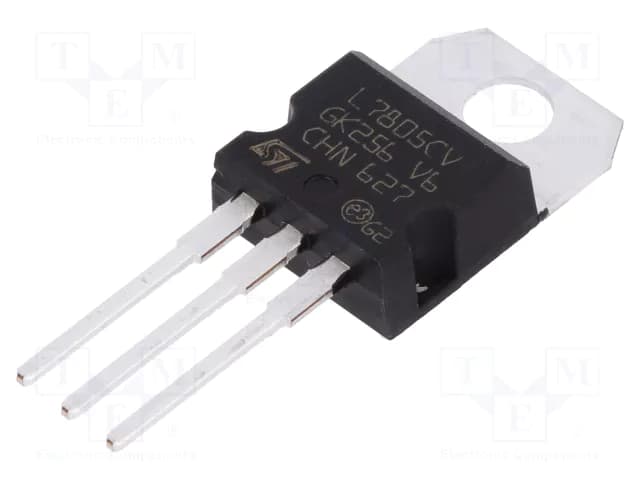 Sale 25%
L7805CV 5V Positive Linear Voltage Regulator IC (TO-220)
Rs 45
Rs 60
 Sale 46%
LM386 Low Voltage Audio Power Amplifier IC (DIP-8)
Rs 35
Rs 65

LM317T Adjustable Positive Linear Voltage Regulator IC (TO-220)
Rs 45
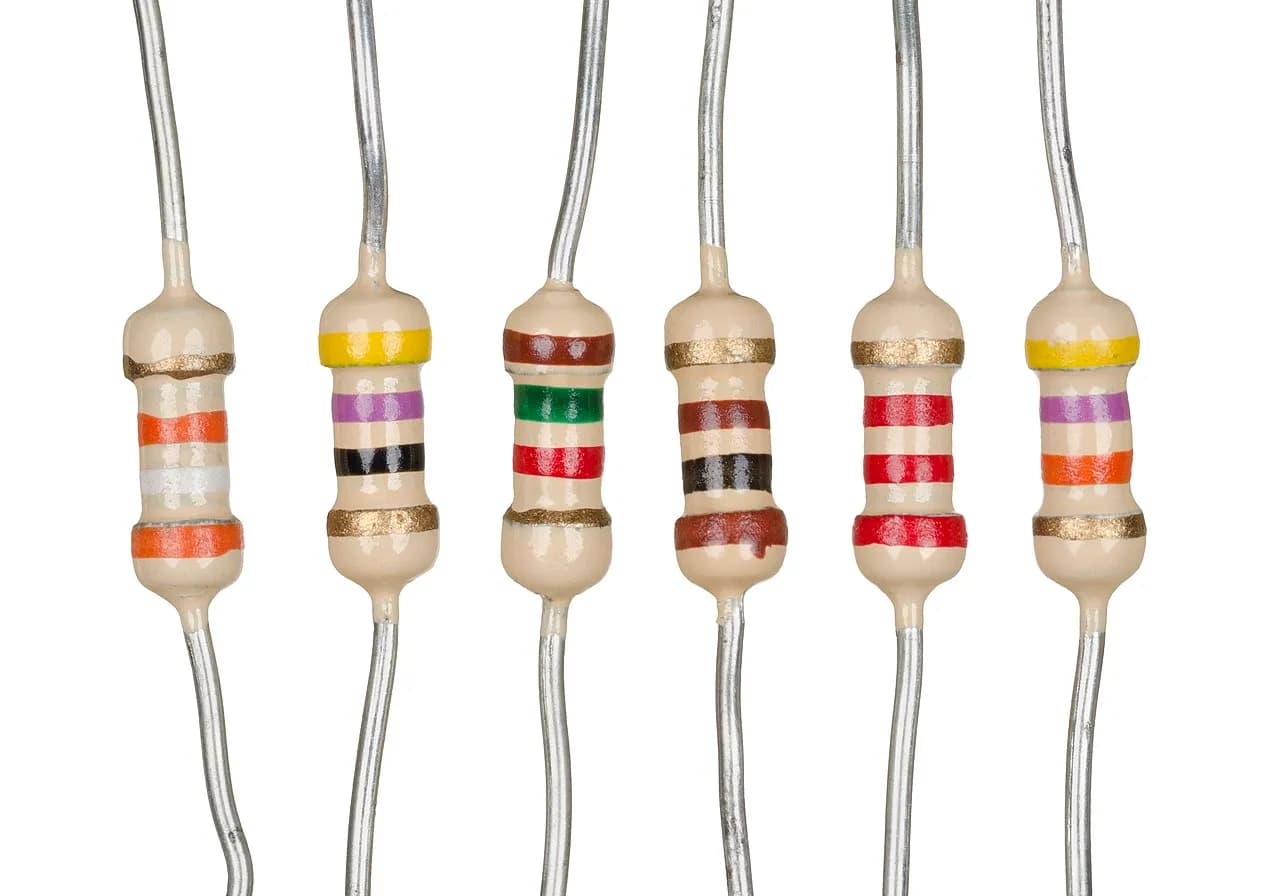 Sale 50%
10K Ohm Resistor | 10kΩ Through-Hole Resistor for Electronics Projects
Rs 2
Rs 4
Sale 50%470 Ohm Resistor | 470Ω Through-Hole Resistor for Electronics Projects
Rs 2
Rs 4
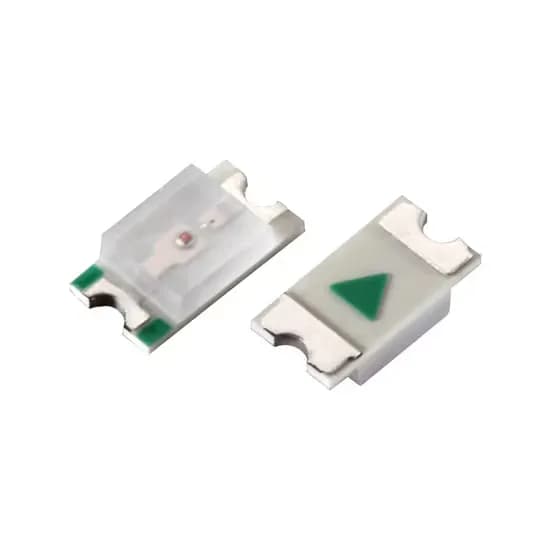 Sale 40%
1206 SMD Yellow LED | Surface Mount Indicator LED
Rs 3
Rs 5
Sale 50%330 Ohm Resistor | 330Ω Through-Hole Resistor for Electronics Projects
Rs 2
Rs 4
Sale 50%4.7K Ohm Resistor | 4.7kΩ Through-Hole Resistor for Electronics Projects
Rs 2
Rs 4
 Sale 40%
10uF 25V Electrolytic Capacitor | Radial Through-Hole Capacitor
Rs 3
Rs 5
Sale 50%1K Ohm Resistor | 1kΩ Through-Hole Resistor for Electronics Projects
Rs 2
Rs 4