360 Degree Rotary Encoder Module with Push Button
Estimated delivery
Thu, 29 Oct
Shipping benefit
Free shipping ₹1,499+*
*Standard delivery; eligible order value applies.
The 360 Degree Rotary Encoder is an incremental electro-mechanical device that converts angular position into digital signals. Unlike standard potentiometers, this module has no rotational limits and features a built-in push button, making it the perfect all-in-one interface for menu navigation and motor control in your electronics projects. Key Features: Continuous Rotation: Rotates a full 360 degrees infinitely without end stops. Integrated Push Button: Includes a momentary push switch activated by pressing down on the shaft. Precise Control: Delivers 20 distinct pulses (clicks) per full revolution. Easy Interfacing: Built-in 10kΩ pull-up resistors on the board make it directly compatible with 5V and 3.3V microcontrollers.
Secure payments
Expert support
Easy replacements
Everything you need to know
Product details
Overview
The 360 Degree Rotary Encoder Module is the ultimate input device for modern DIY electronics. While a potentiometer only measures a fixed range of resistance, this incremental encoder outputs a digital pulse every time it rotates, allowing for infinite turning in either direction.
Because it tracks both the amount of rotation and the direction, it is incredibly useful for navigating LCD menus, adjusting the volume on digital amplifiers, or jogging stepper motors on custom CNC builds. Pressing down on the knob triggers the built-in switch, allowing you to use it as an "Enter" or "Select" button.
Technical Specifications
| Feature | Specification |
|---|---|
| Operating Voltage | 3.3V to 5V DC |
| Output Type | 2-bit Gray Code (Quadrature) |
| Resolution | 20 Pulses / Detents per revolution |
| Rotation Angle | 360° Continuous |
| Switch Type | Normally Open (NO) Push Button |
| Pull-Up Resistors | Integrated 10kΩ resistors on CLK, DT, and SW pins |
| Module Dimensions | 32mm x 19mm x 30mm |
Pinout Configuration
The module features a straightforward 5-pin layout:
- VCC (+): Power Supply (3.3V or 5V)
- GND: Ground
- CLK (A): Primary output pulse (Clock)
- DT (B): Secondary output pulse (Data) - used to determine direction
- SW: Digital output for the push button (Active LOW when pressed)
How It Works
Inside the encoder, a rotating disc alternately connects the CLK and DT pins to ground, producing square waves. Because these two pins are physically offset, their signals are 90 degrees out of phase (quadrature).
Your microcontroller determines the direction of rotation by looking at which pin changes state first:
- Clockwise: CLK goes LOW first, then DT goes LOW.
- Counter-Clockwise: DT goes LOW first, then CLK goes LOW.
💡 Code Tip: For the most reliable performance and to prevent "missed steps" when turning the knob quickly, always use Hardware Interrupts in your code rather than basic polling methods.
Built by the community
Customer reviews
Real builds, honest feedback, and photos from people using 360 Degree Rotary Encoder Module with Push Button.
Picked for this product
You might also like
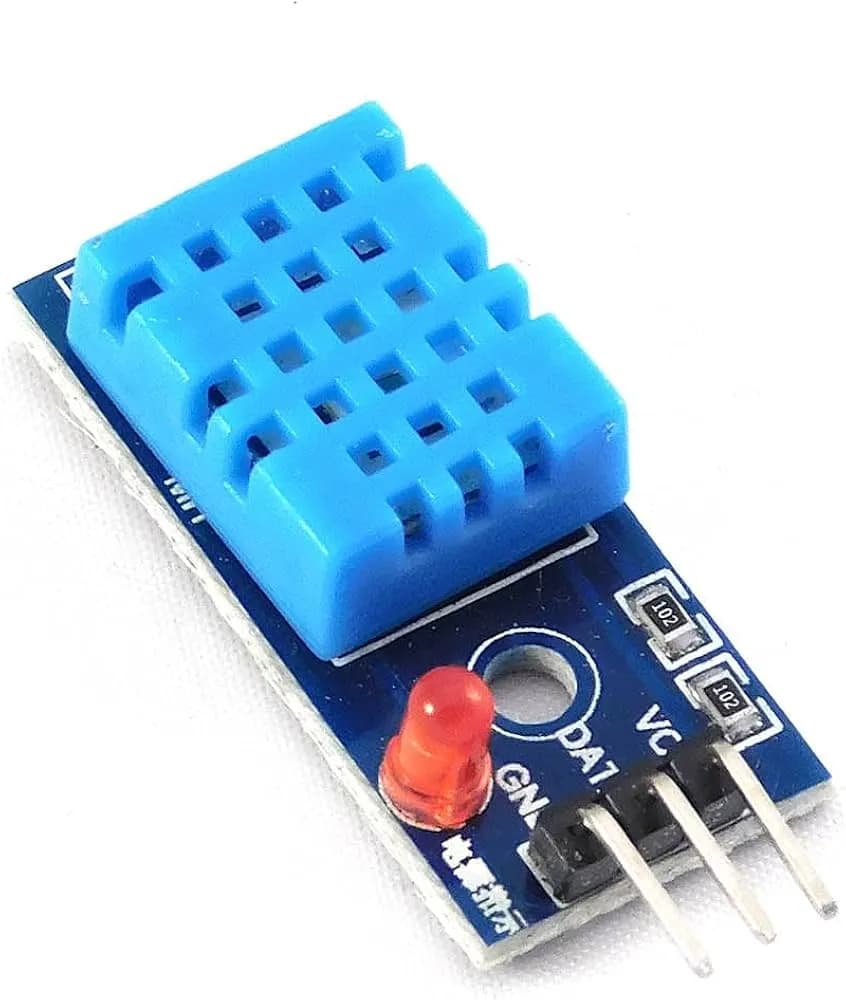 Sale 8%
DHT11 Temperature & Humidity Sensor Module
Rs 66
Rs 72
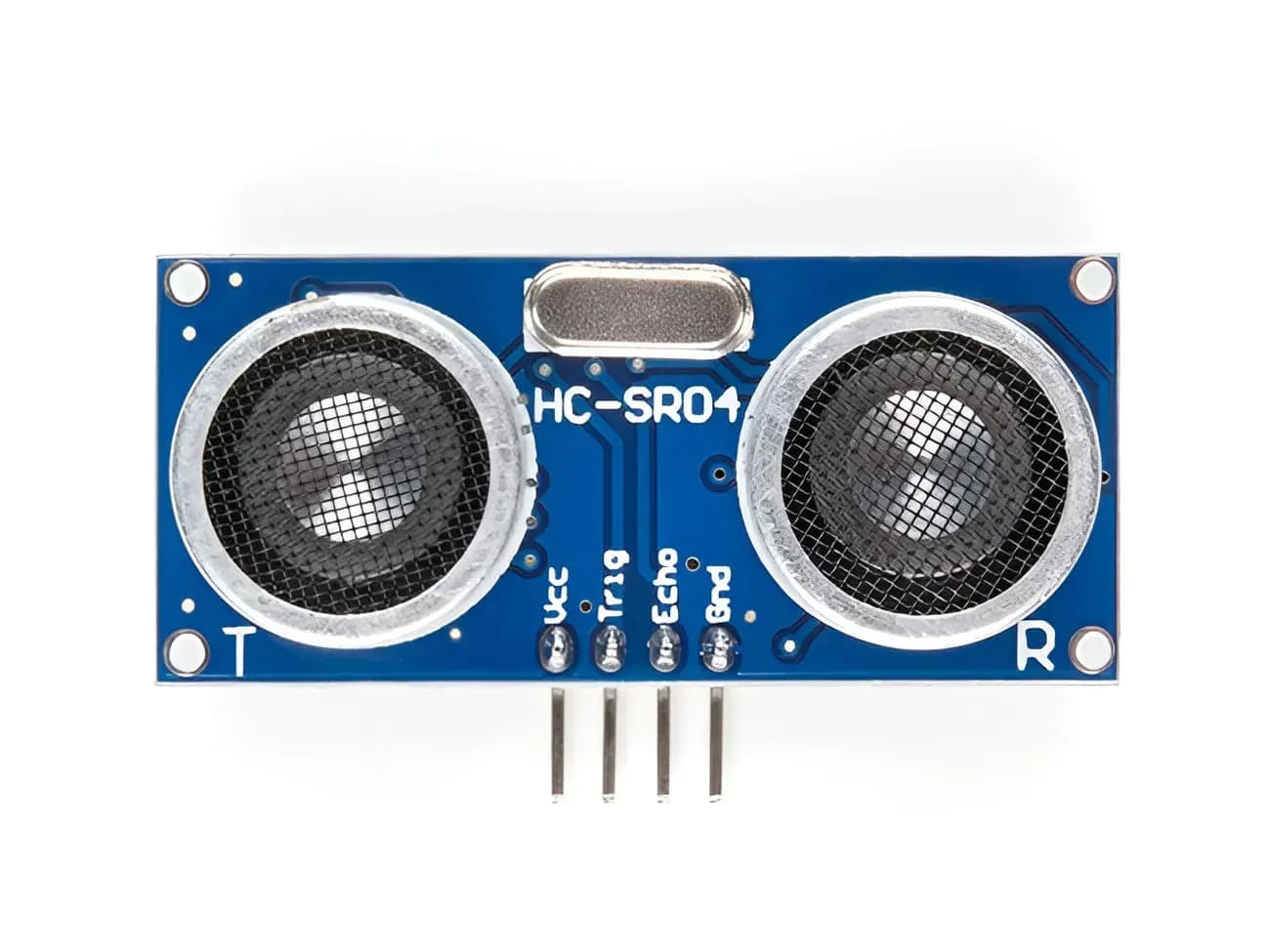 Sale 3%
HC-SR04 Ultrasonic Distance Sensor Module
Rs 78
Rs 80
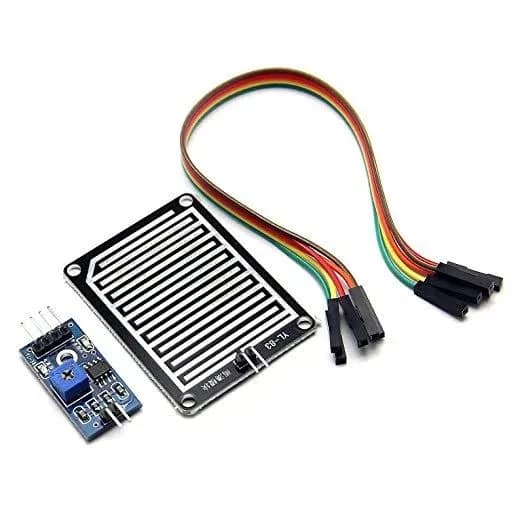 Sale 13%
Raindrop Detection Sensor Module | Rain Sensor Module for Arduino
Rs 65
Rs 75
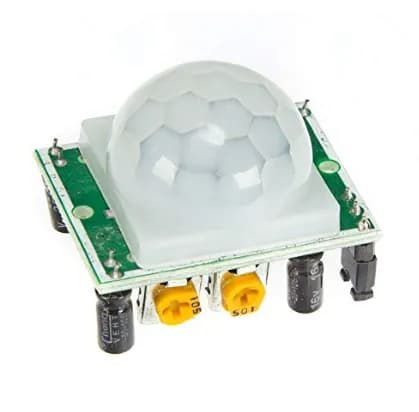
HC-SR501 PIR Motion Sensor Module
Rs 85
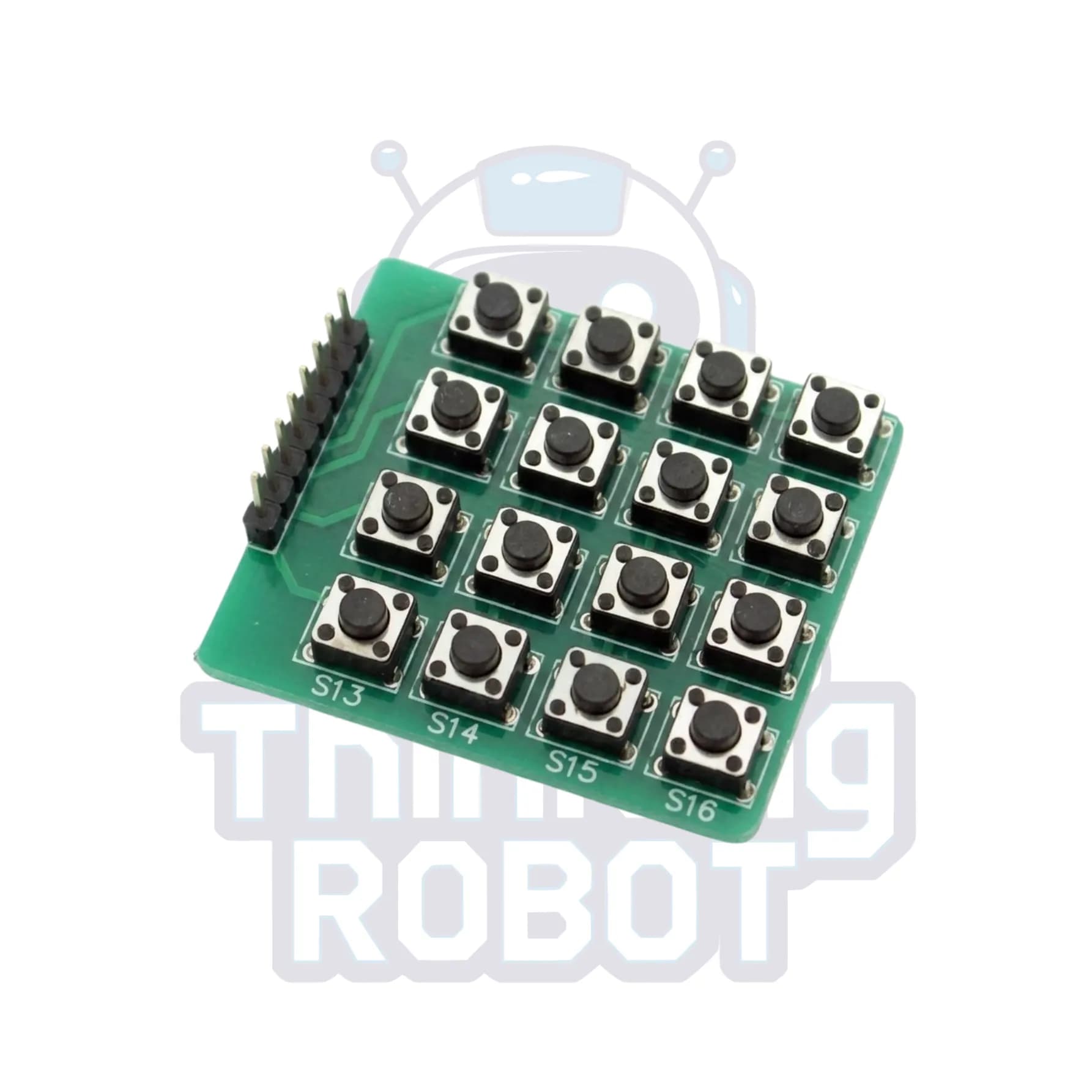
4x4 Push Button Matrix Keypad
Rs 65
 Sale 18%
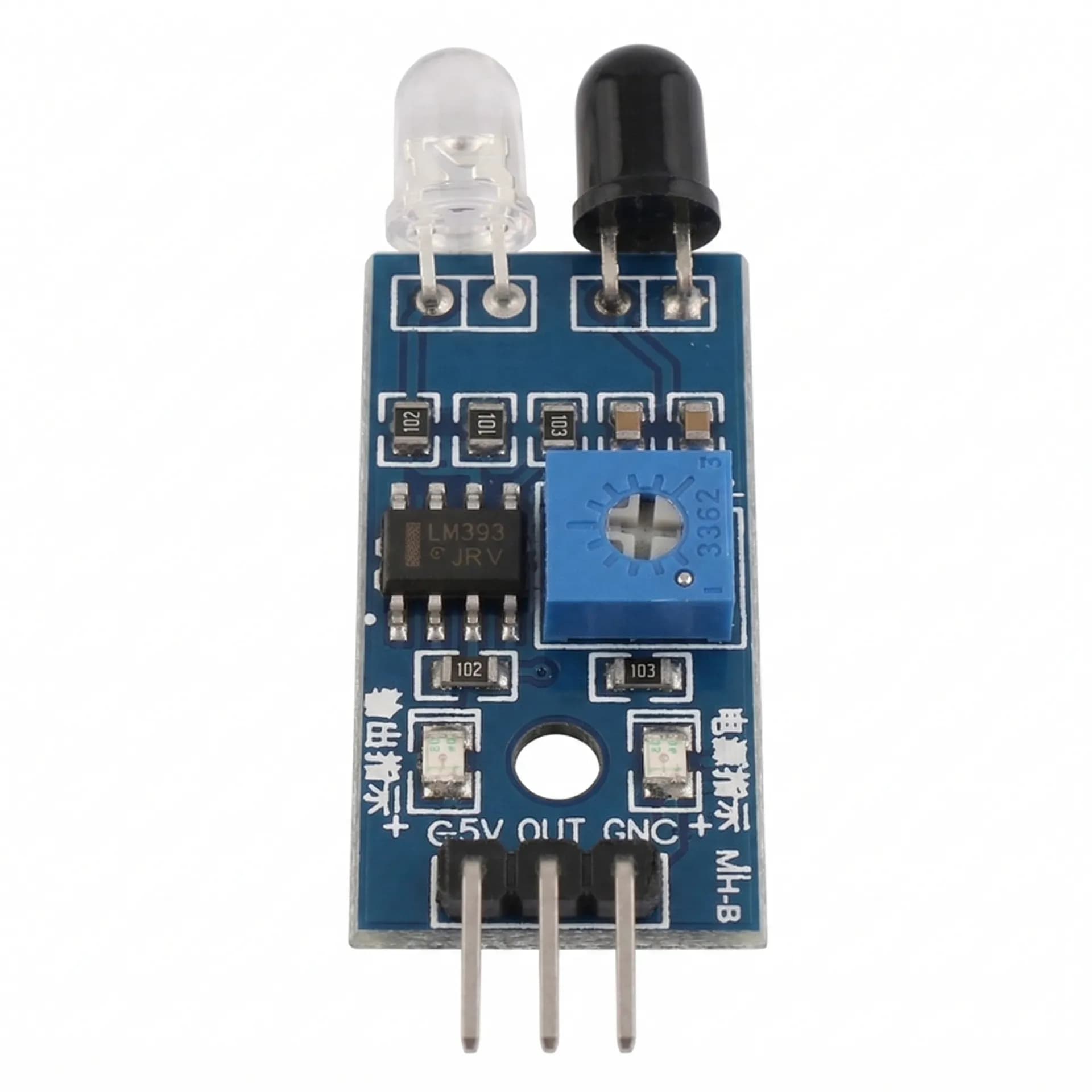
IR Infrared Obstacle Avoidance Sensor Module
Rs 45
Rs 55
 Sale 3%
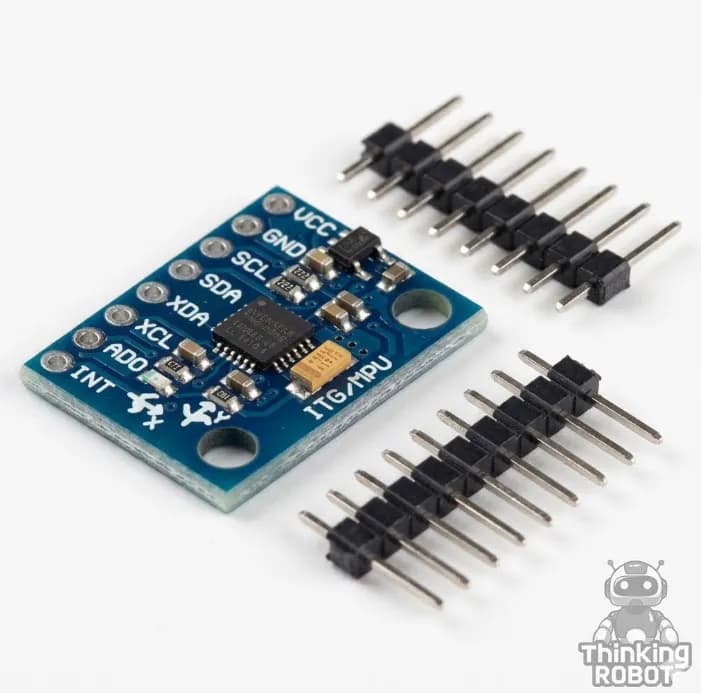
MPU6050 6-Axis Accelerometer and Gyroscope Module
Rs 185
Rs 190
 Sale 15%
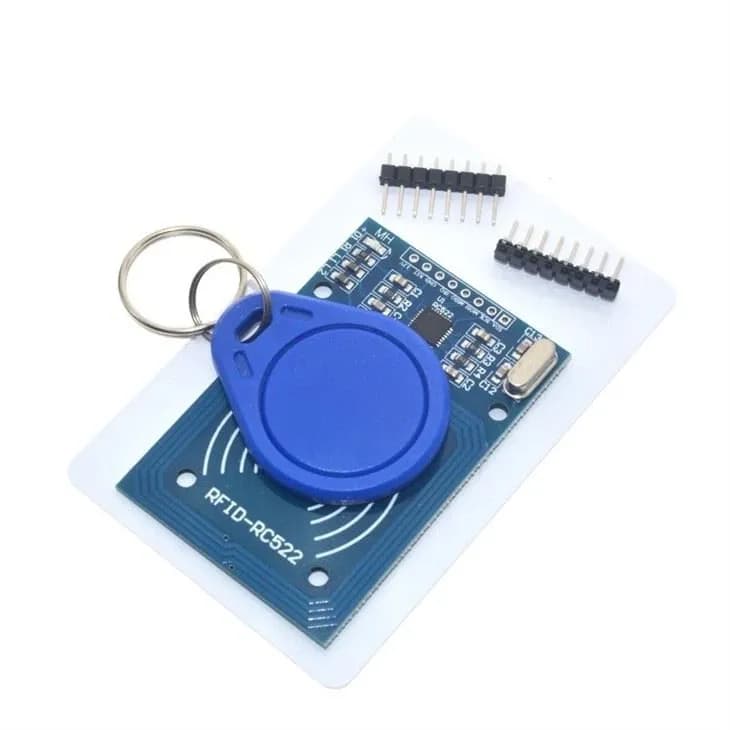
RC522 RFID Reader/Writer Module 13.56MHz (with Card and Keychain)
Rs 169
Rs 199
 Sale 1%
BMP280 Barometric Pressure and Temperature Sensor Module (I2C/SPI)
Rs 189
Rs 190
 Sale 26%
TCS3200 Color Recognition Sensor Module with White LEDs
Rs 409
Rs 549