1 / 2
1 / 2BMP280 Barometric Pressure and Temperature Sensor Module (I2C/SPI)
Estimated delivery
Thu, 29 Oct
Shipping benefit
Free shipping ₹1,499+*
*Standard delivery; eligible order value applies.
The BMP280 is a high-precision, low-power digital pressure sensor designed by Bosch. It is perfect for all sorts of weather sensing and can even be used in both I2C and SPI, making it a versatile choice for altitude tracking in drones and mobile devices. Key Features: Dual Functionality: Measures both atmospheric pressure and ambient temperature. Altitude Tracking: High precision allows for altitude estimation with ±1 meter accuracy. Versatile Interface: Supports both I2C and SPI communication protocols. Ultra-Low Power: Ideal for battery-powered IoT nodes and wearables.
Secure payments
Expert support
Easy replacements
Everything you need to know
Product details
Overview
The BMP280 is an absolute barometric pressure sensor, which is an upgrade from the older BMP085/BMP180/BMP183. This sensor is specifically designed for mobile applications where size and low power consumption are critical.
Because pressure changes with altitude, and this sensor is so precise, you can use it as an altimeter with ±1 meter accuracy. This makes it an essential component for flight controllers in drones, indoor navigation, and advanced weather monitoring stations.
Technical Specifications
| Feature | Specification |
|---|---|
| Supply Voltage | 1.8V - 3.6V DC |
| Interface | I2C (up to 3.4MHz), SPI (up to 10 MHz) |
| Pressure Range | 300 to 1100 hPa |
| Temperature Range | -40 to +85 °C |
| Pressure Accuracy | ±0.12 hPa (equiv. to ±1m) |
| Temperature Accuracy | ±1.0 °C |
| Current Consumption | 2.7 µA @ 1 Hz sampling rate |
| Module Size | 11.5mm x 15mm |
Pinout Configuration
The module usually comes with a 6-pin header:
- VCC: Power Supply (1.8V to 3.6V)
- GND: Ground
- SCL: Serial Clock (I2C/SPI)
- SDA: Serial Data (I2C/SPI)
- CSB: Chip Select (for SPI mode)
- SDO: Serial Data Out (for SPI mode / I2C Address select)
💡 Tech Tip: For I2C use, connect the CSB pin to VCC to ensure the module stays in I2C mode. The default I2C address is usually
0x76or0x77.
Why use the BMP280 for your project?
- Weather Forecasting: Monitor local atmospheric pressure trends to predict rain or clear skies.
- Altitude Hold: Essential for hobbyist drones and RC planes to maintain a steady hover height.
- Indoor Navigation: Can detect floor level changes in smart buildings due to its high sensitivity to pressure changes.
- IoT Ready: Small enough to fit inside a smartwatch or a compact ESP8266-based remote sensor node.
Standard Applications
- Personal Weather Stations
- GPS Enhancement (Time-to-first-fix improvement)
- Vertical Velocity Indication (Rise/Sink speed)
- Slope detection for fitness tracking
Built by the community
Customer reviews
Real builds, honest feedback, and photos from people using BMP280 Barometric Pressure and Temperature Sensor Module (I2C/SPI).
Picked for this product
You might also like
 Sale 3%
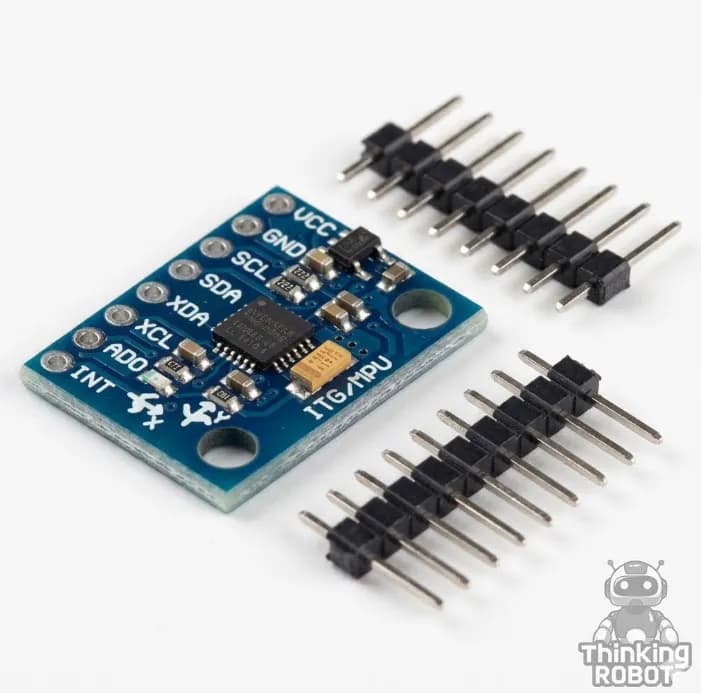
MPU6050 6-Axis Accelerometer and Gyroscope Module
Rs 185
Rs 190
 Sale 15%
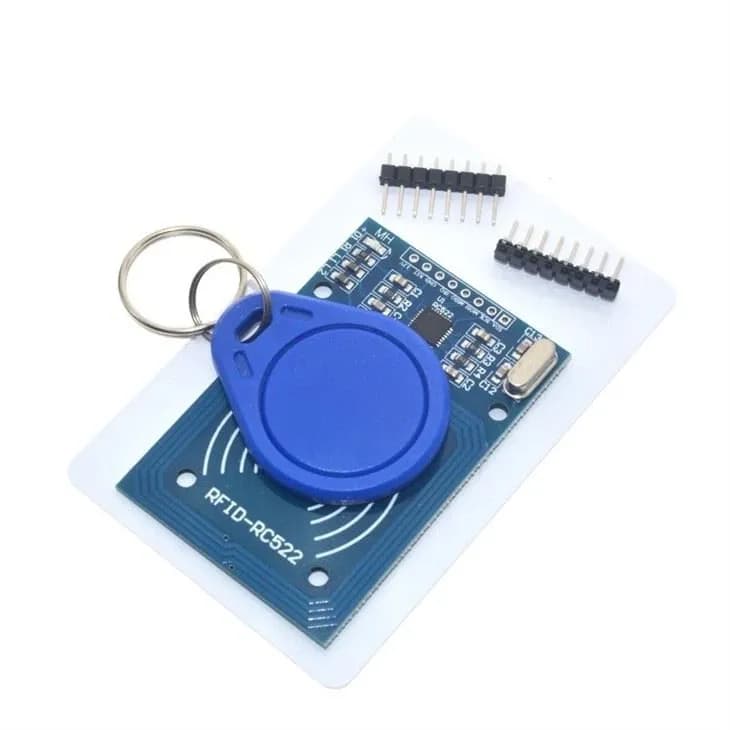
RC522 RFID Reader/Writer Module 13.56MHz (with Card and Keychain)
Rs 169
Rs 199
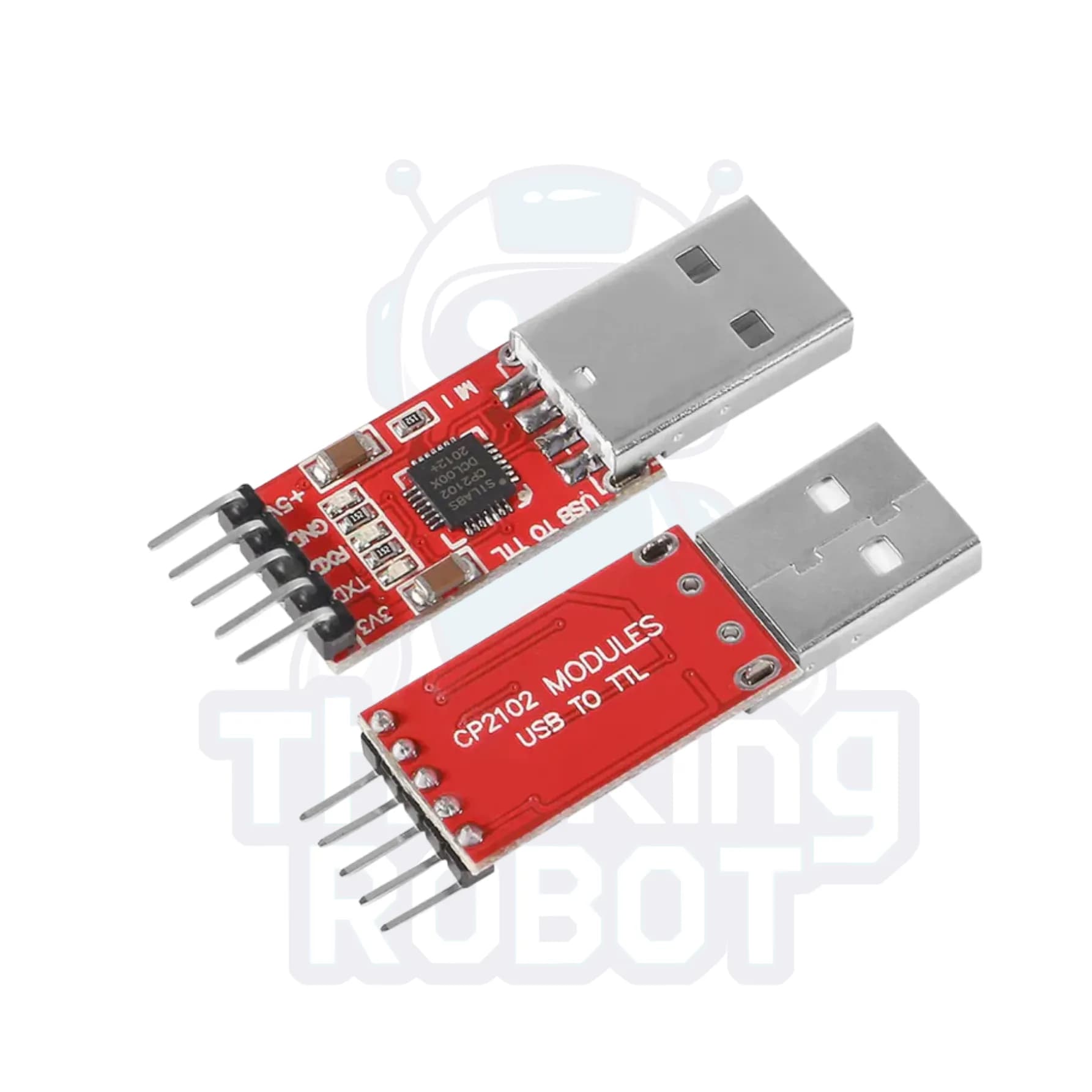
CP2102 USB to TTL Serial Converter
Rs 145
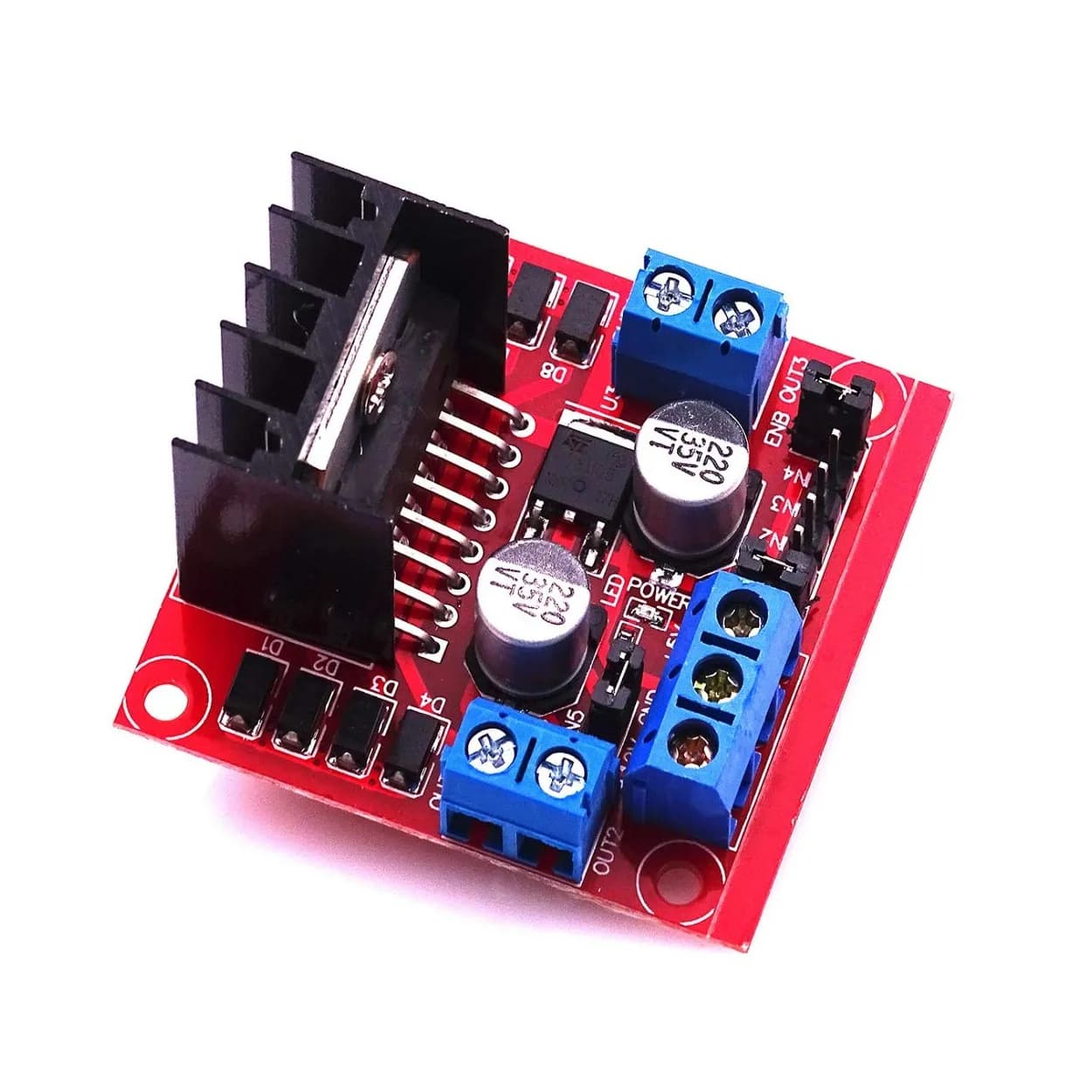
L298N Dual H-Bridge Motor Driver Module
Rs 225
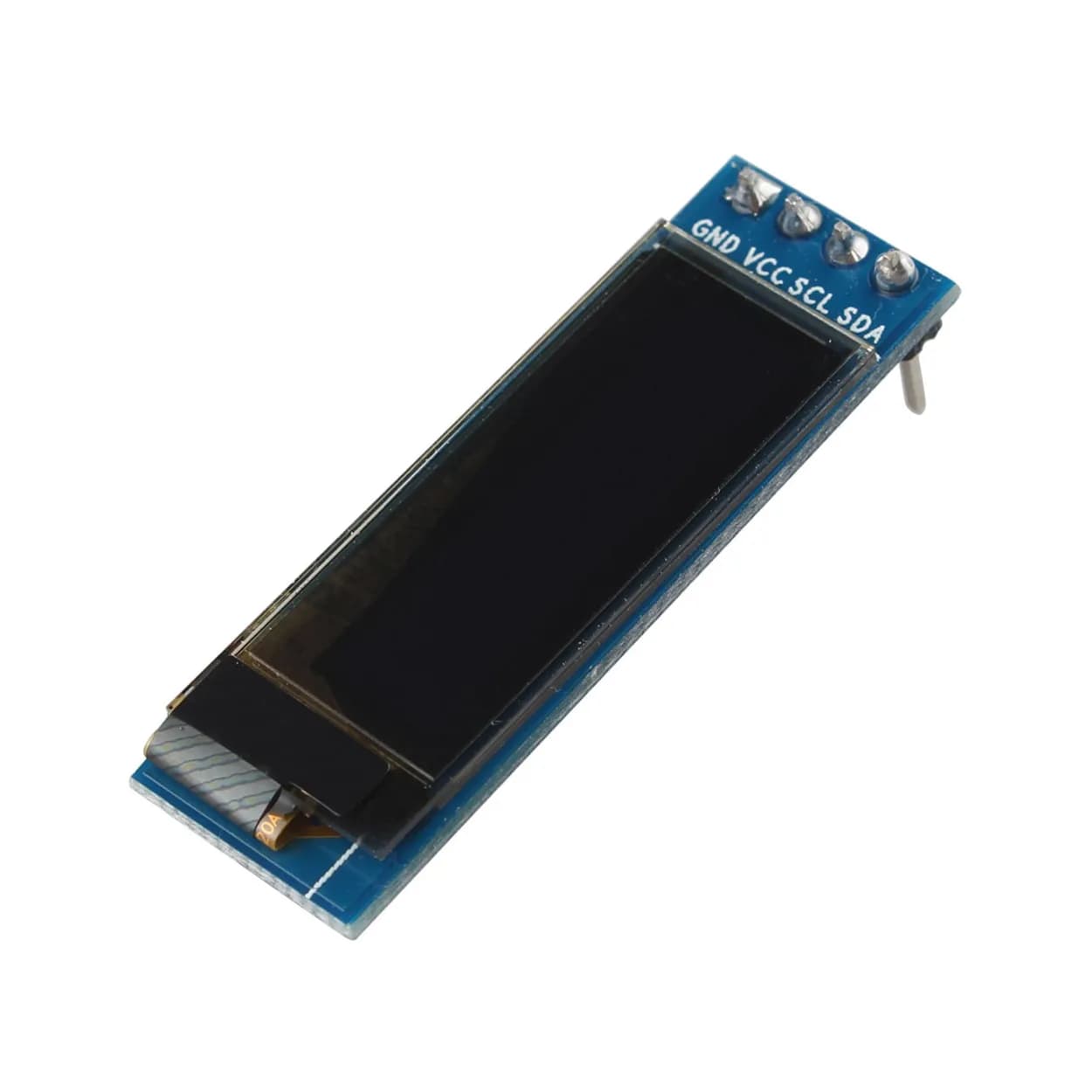
0.91 Inch OLED Display 128x32 (White)
Rs 220
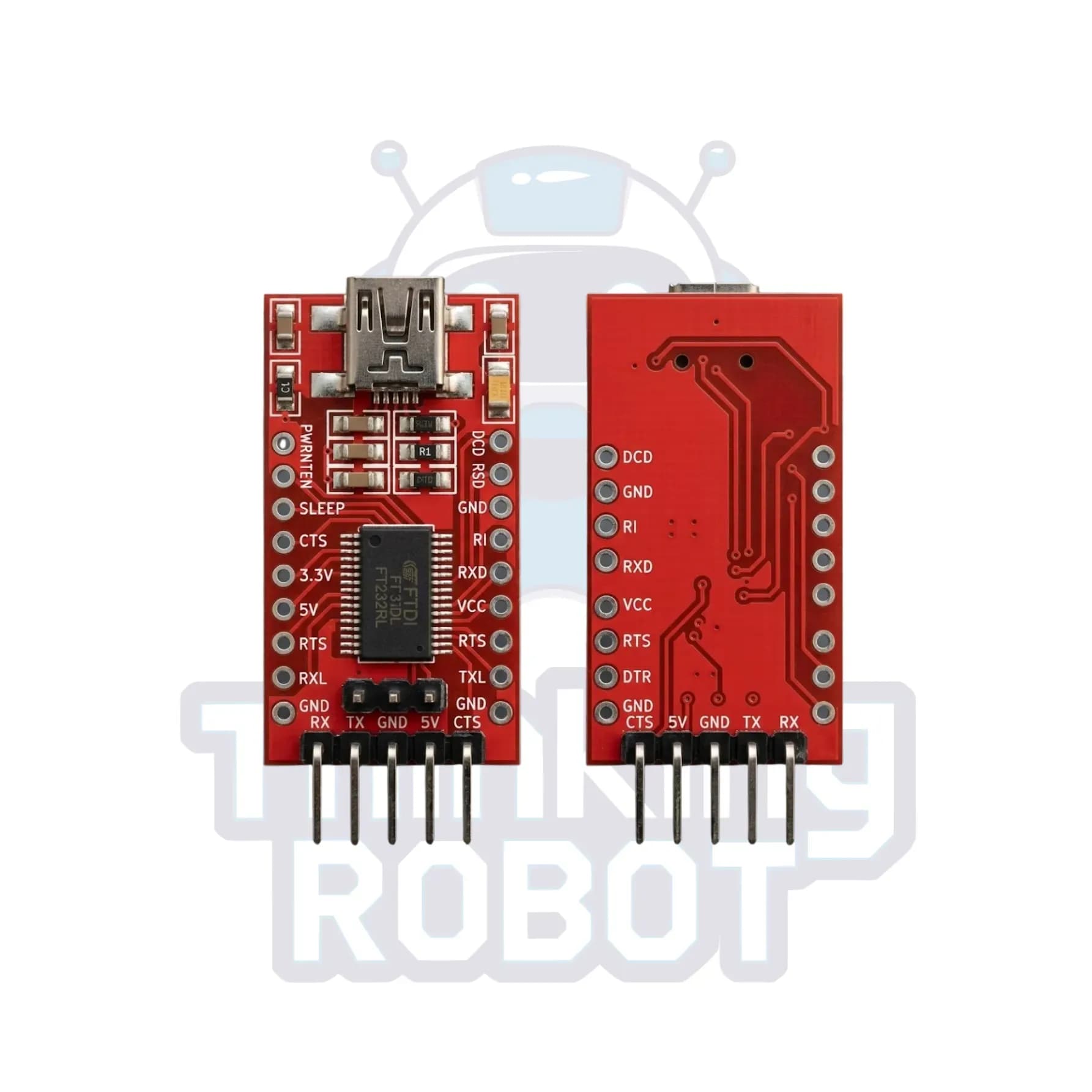
FT232RL FTDI USB to TTL Serial Converter Adapter
Rs 169
 Sale 29%
360 Degree Rotary Encoder Module with Push Button
Rs 85
Rs 120
 Sale 3%
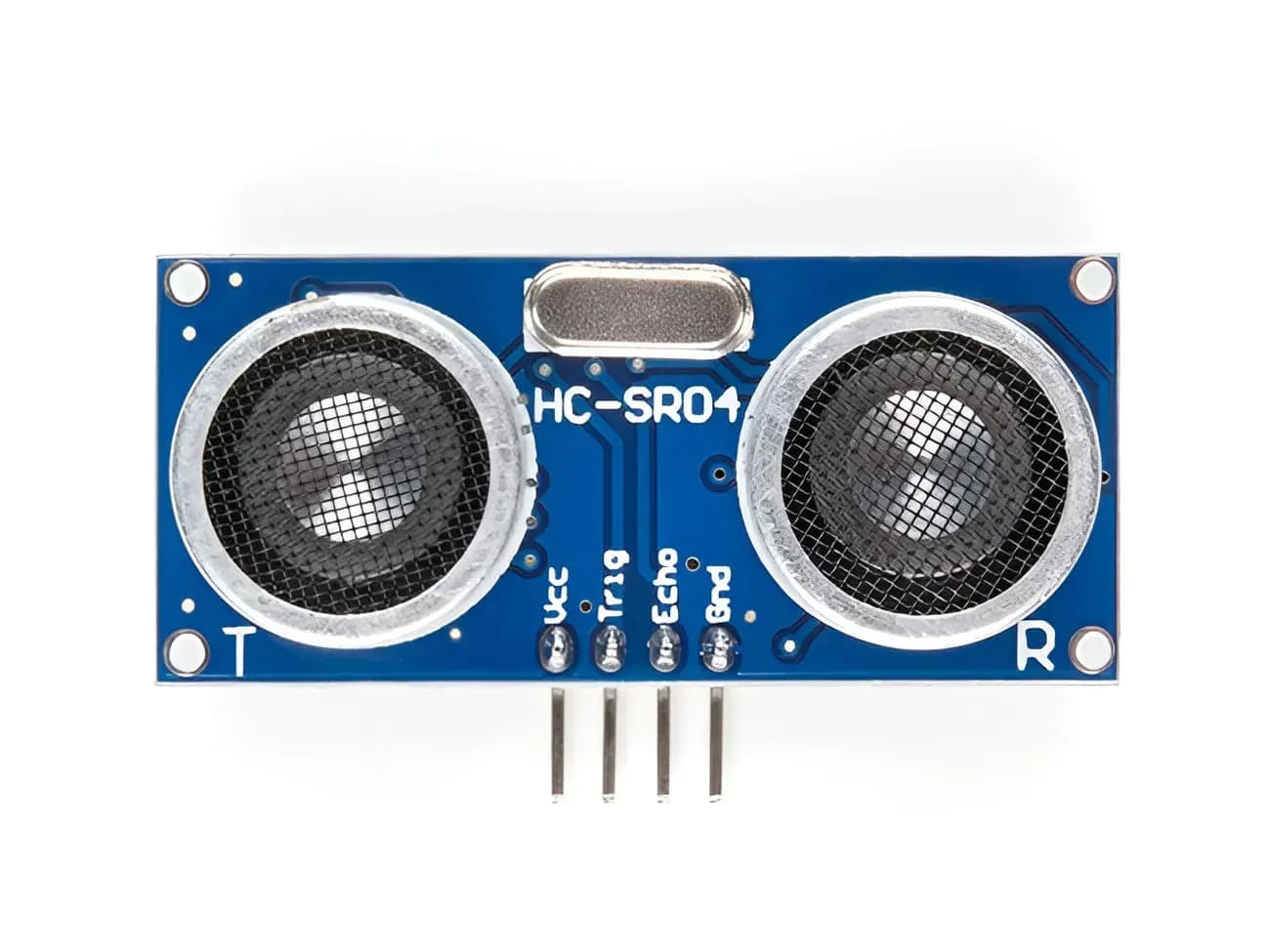
HC-SR04 Ultrasonic Distance Sensor Module
Rs 78
Rs 80
 Sale 13%
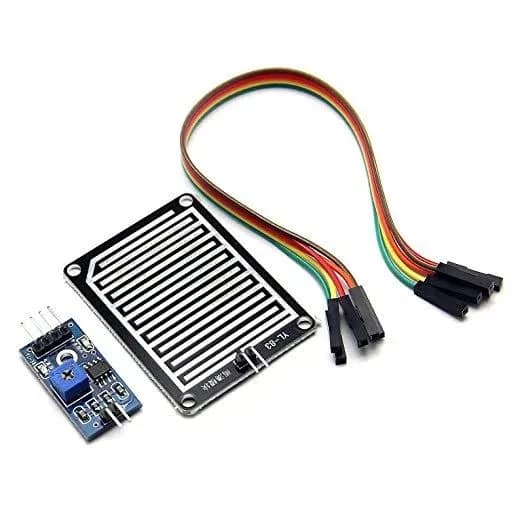
Raindrop Detection Sensor Module | Rain Sensor Module for Arduino
Rs 65
Rs 75
 Sale 26%
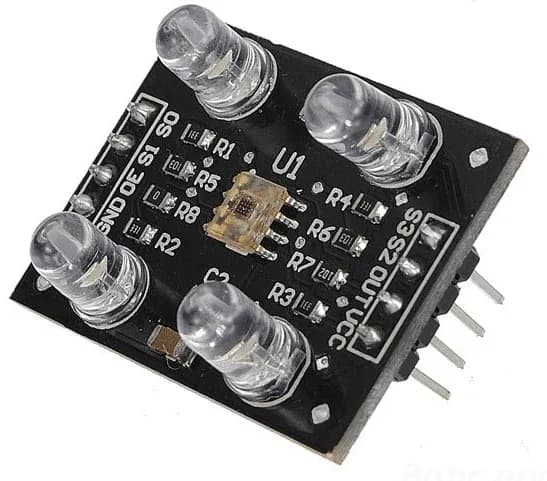
TCS3200 Color Recognition Sensor Module with White LEDs
Rs 409
Rs 549