 1 / 2
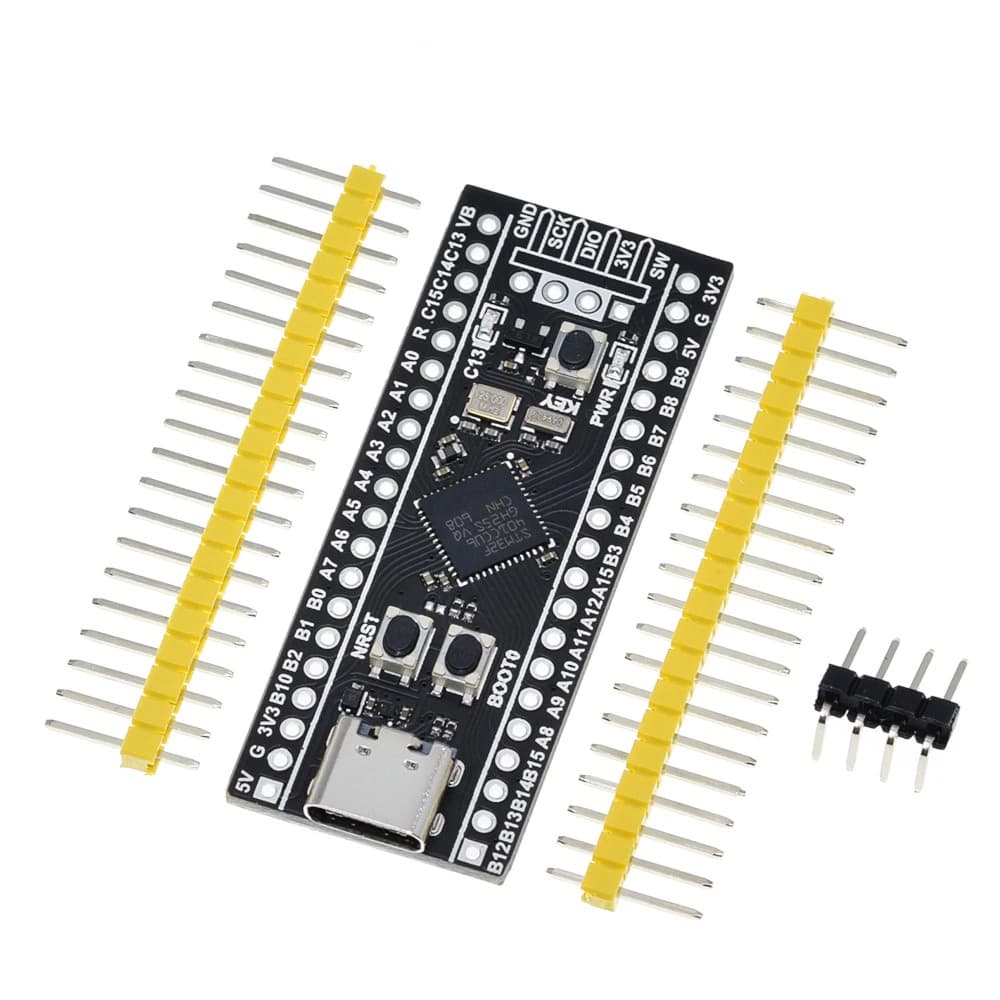
1 / 2STM32F401CCU6 Black Pill Development Board - High-Performance ARM Cortex-M4
Estimated delivery
Thu, 29 Oct
Shipping benefit
Free shipping ₹1,499+*
*Standard delivery; eligible order value applies.
The STM32F401CCU6 "Black Pill" is a high-performance upgrade to the classic Blue Pill. Featuring a 32-bit ARM Cortex-M4 core with a Floating Point Unit (FPU) running at 84MHz, it is designed for applications requiring high-speed processing, RTOS implementation, and reliable USB Type-C connectivity. Key Features: Processing Power: 84MHz ARM Cortex-M4 Core with FPU. Modern Interface: Integrated USB Type-C connector for power and data. Memory: 256KB Flash and 64KB RAM for complex firmware. Compact Design: Breadboard-friendly form factor, ideal for prototyping advanced IoT and robotics projects.
Secure payments
Expert support
Easy replacements
Everything you need to know
Product details
Overview
The STM32F401CCU6 Black Pill is a powerful, versatile development board that bridges the gap between hobbyist microcontrollers and industrial-grade embedded systems. Unlike the older F103 series, the F401 "Black Pill" includes a Floating Point Unit (FPU) and more robust power management, making it perfect for signal processing, motor control, and AI-on-the-edge experiments.
With its USB Type-C connector, you no longer need to worry about fragile Micro-USB ports. It is fully compatible with the STM32Cube ecosystem, Keil, IAR, and can also be programmed via the Arduino IDE using the STM32duino core.
Technical Specifications
| Feature | Specification |
|---|---|
| Core | ARM® 32-bit Cortex®-M4 CPU with FPU |
| Clock Speed | 84 MHz |
| Flash Memory | 256 KB |
| SRAM | 64 KB |
| Operating Voltage | 1.7V to 3.6V |
| Connectivity | USB Type-C (Supports OTG) |
| I/O Pins | 36 GPIOs |
| Communication | 3x UART, 3x I2C, 4x SPI, 1x USB 2.0 OTG |
| ADC | 12-bit, 16-channel ADC |
Why Choose the Black Pill?
- The FPU Advantage: Perform complex mathematical calculations (like PID loops or FFTs) significantly faster than standard Cortex-M3 or AVR chips.
- USB-C Reliability: Built for longevity with a modern, reversible USB-C port.
- Storage: 256KB of Flash allows you to run modern RTOS (Real-Time Operating Systems) like FreeRTOS or Zephyr with ease.
- On-board Button: Includes a user button (PC13) and a reset button for quick testing.
Programming Note: To flash this board, you can use an ST-Link V2 Debugger or use the built-in USB DFU bootloader by holding the 'Boot0' button during power-up.
Built by the community
Customer reviews
Real builds, honest feedback, and photos from people using STM32F401CCU6 Black Pill Development Board - High-Performance ARM Cortex-M4.
Picked for this product
You might also like
 Sale 7%
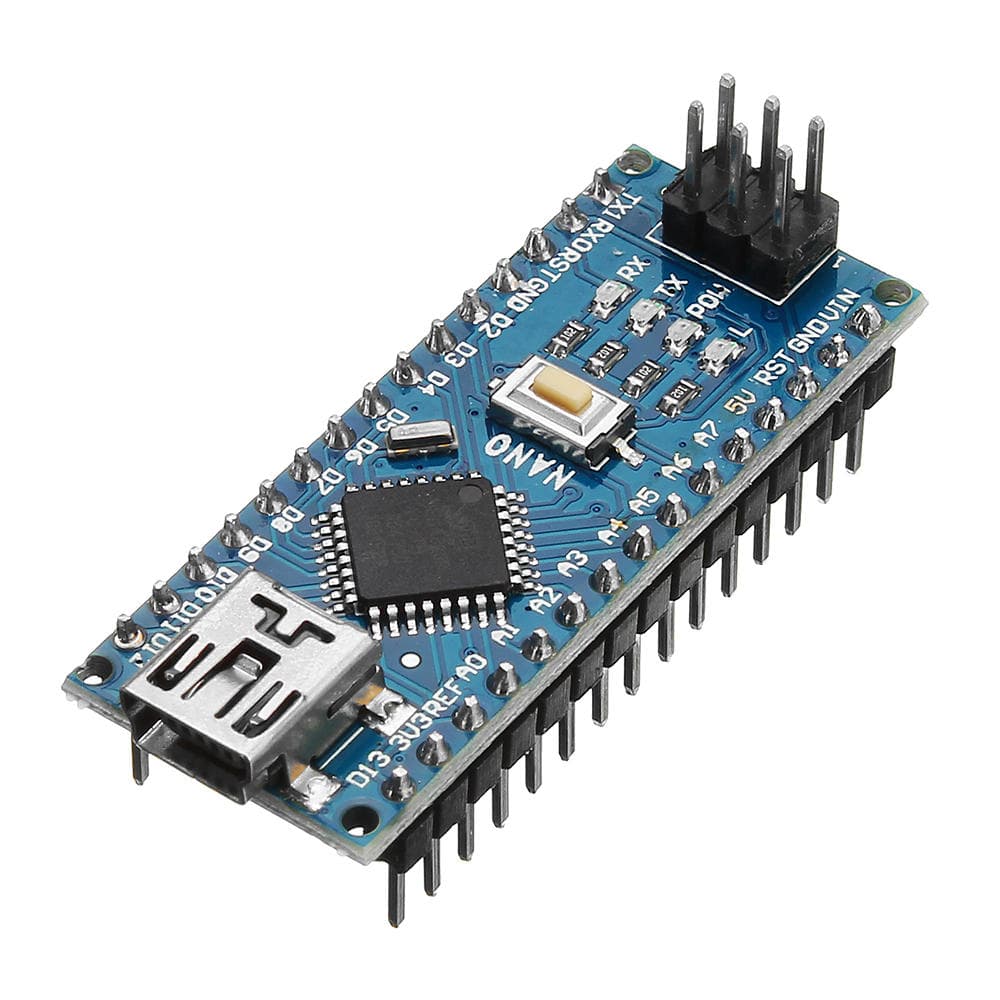
Arduino Nano V3.0 CH340 Development Board (Upgraded Type-C)
Rs 399
Rs 429
 Sale 29%
Arduino Uno R3 Development Board (ATmega328P) With USB Cable
Rs 499
Rs 699
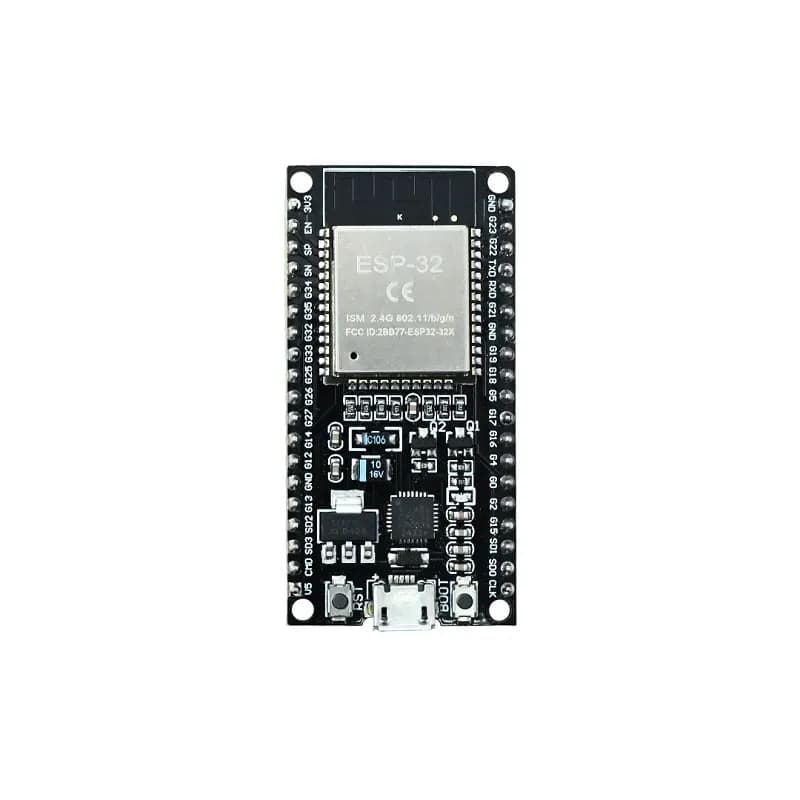
ESP32-WROOM-32 DevKit V1 (Wi-Fi + Bluetooth IoT Board)
Rs 599
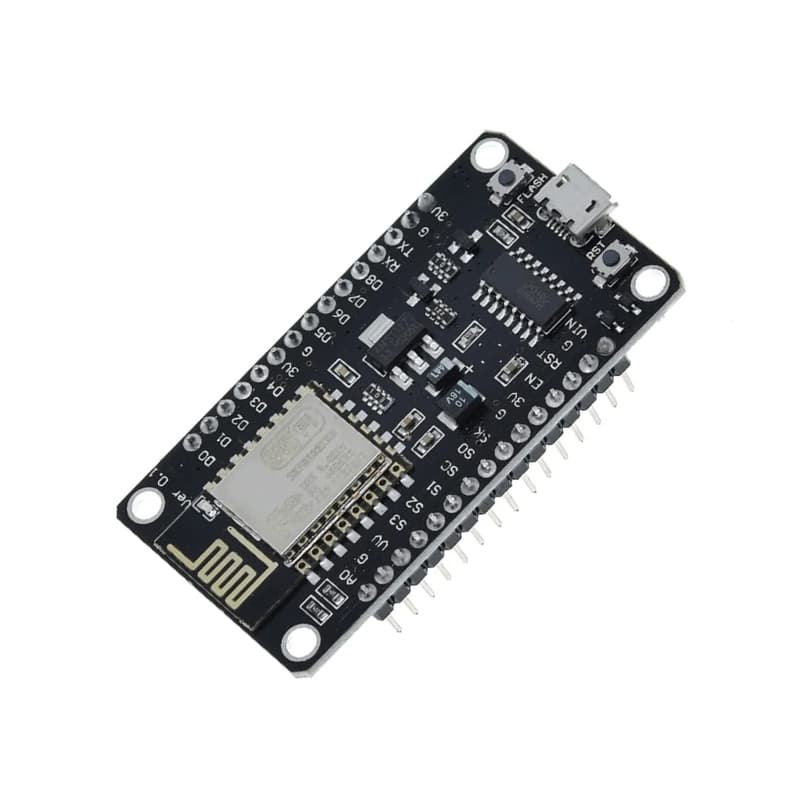
NodeMCU ESP8266 V3 WiFi Development Board (CH340G Driver)
Rs 349
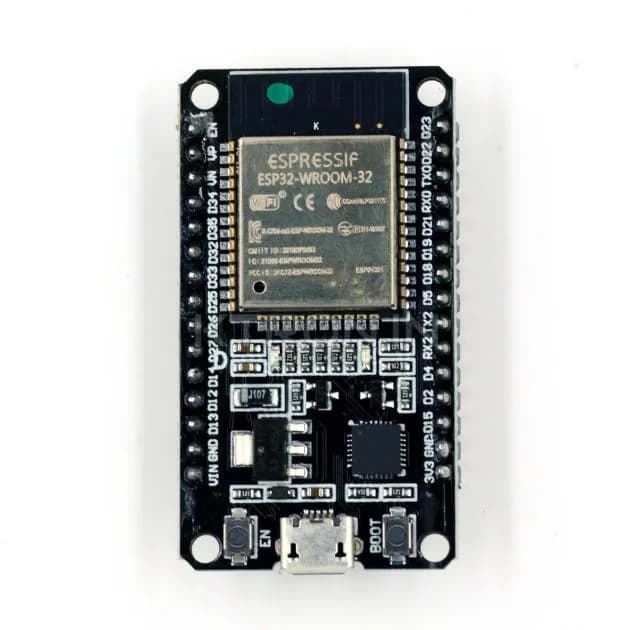
ESP32 30 Pin Standard Development Board
Rs 599
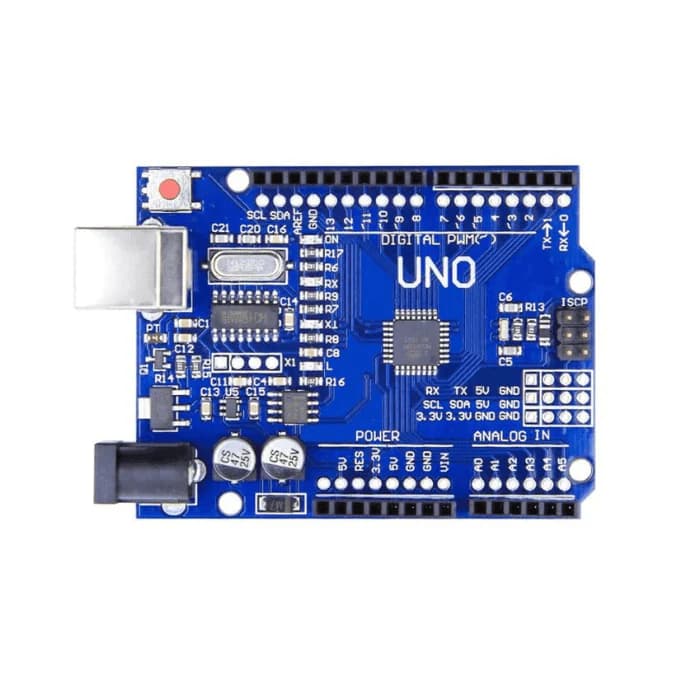
Arduino UNO SMD CH340 Development Board
Rs 399
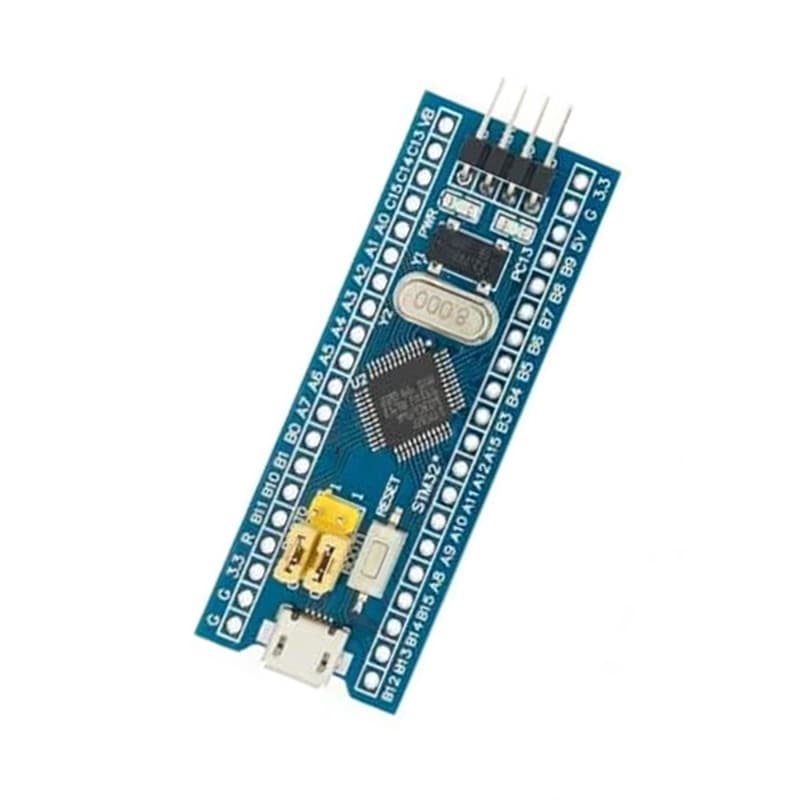 Sale 18%
STM32F103C8T6 "Blue Pill" ARM Cortex-M3 Development Board (Seperate Headers)
Rs 249
Rs 302
 Sale 11%
Raspberry Pi Pico W (RP2040 with Wi-Fi & Bluetooth) - Pre-Soldered Headers
Rs 799
Rs 899
 Sale 18%
Seeed Studio XIAO SAMD21 - Ultra-Small ARM Cortex-M0+ Development Board
Rs 700
Rs 849
 Sale 12%
Raspberry Pi 4 Model B - High-Performance Single Board Computer (2GB / 4GB / 8GB RAM)
Rs 7000
Rs 7999