 1 / 2
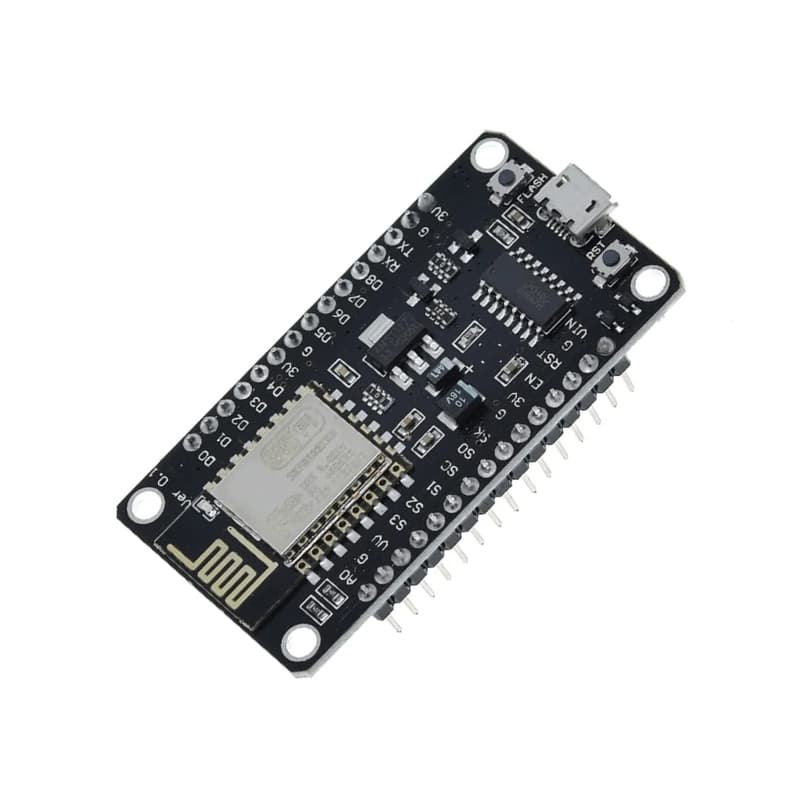
1 / 2NodeMCU ESP8266 V3 WiFi Development Board (CH340G Driver)
Estimated delivery
Thu, 29 Oct
Shipping benefit
Free shipping ₹1,499+*
*Standard delivery; eligible order value applies.
The NodeMCU V3 is an affordable, breadboard-friendly development board based on the ESP8266 (ESP-12E). It features the CH340G USB-to-Serial converter, making it the most cost-effective solution for DIY IoT projects and smart home automation. Key Features: Cost-Efficient: Uses the CH340G driver to provide high performance at a lower price point. Integrated WiFi: Full 802.11 b/g/n support for cloud connectivity. Rich I/O: Multiple GPIO pins, PWM, I2C, SPI, and 1-channel ADC. Wide Compatibility: Works seamlessly with Arduino IDE, ESP-IDF, and MicroPython.
Secure payments
Expert support
Easy replacements
Everything you need to know
Product details
Overview
The NodeMCU ESP8266 V3 (CH340G) is an open-source LUA-based firmware and development board specifically designed for Internet of Things (IoT) applications. This "V3" version is slightly larger than the V2 but offers a more budget-friendly price point by utilizing the CH340G USB-TTL IC.
It is the perfect choice for students, hobbyists, and developers looking to build WiFi-connected sensors, web servers, or remote-controlled robotics without a high cost per unit.
Technical Specifications
| Feature | Specification |
|---|---|
| Module | ESP-12E (based on ESP8266) |
| USB Driver | CH340G (Requires CH341 drivers) |
| Flash Memory | 4 MB |
| Operating Voltage | 3.3V |
| Input Voltage | 7V - 12V (via VIN pin) or 5V (via Micro-USB) |
| GPIO Pins | 11 Digital pins |
| ADC | 1 Analog pin (10-bit resolution) |
| Connectivity | 2.4 GHz WiFi (802.11 b/g/n) |
| Board Dimensions | 58mm x 31mm |
CP2102 vs. CH340G: What's the difference?
While both boards use the same ESP8266 chip, the CH340G variant is wider (occupies more breadboard rows) and requires the CH341 driver installed on your computer. It provides the exact same WiFi functionality and processing power at a significantly lower price.
Pinout Configuration
- Digital Pins (D0 - D10): All except D0 support PWM, I2C, and One-Wire.
- Analog Pin (A0): Used for reading analog sensors (0V - 1.0V internal, module supports up to 3.3V).
- Communication: Hardware Serial (TX/RX), SPI, and I2C.
Pro Tip: If your computer does not recognize the board when plugged in, ensure you have the CH340G drivers installed.
Popular Use Cases
- Smart Agriculture: Soil moisture monitoring (perfect for our Smart Plant Watering Kit).
- Home Automation: Controlling relays via a web dashboard.
- Data Logging: Sending sensor data to platforms like Blynk, Adafruit IO, or Supabase.
Built by the community
Customer reviews
Real builds, honest feedback, and photos from people using NodeMCU ESP8266 V3 WiFi Development Board (CH340G Driver).
Picked for this product
You might also like
 Sale 7%
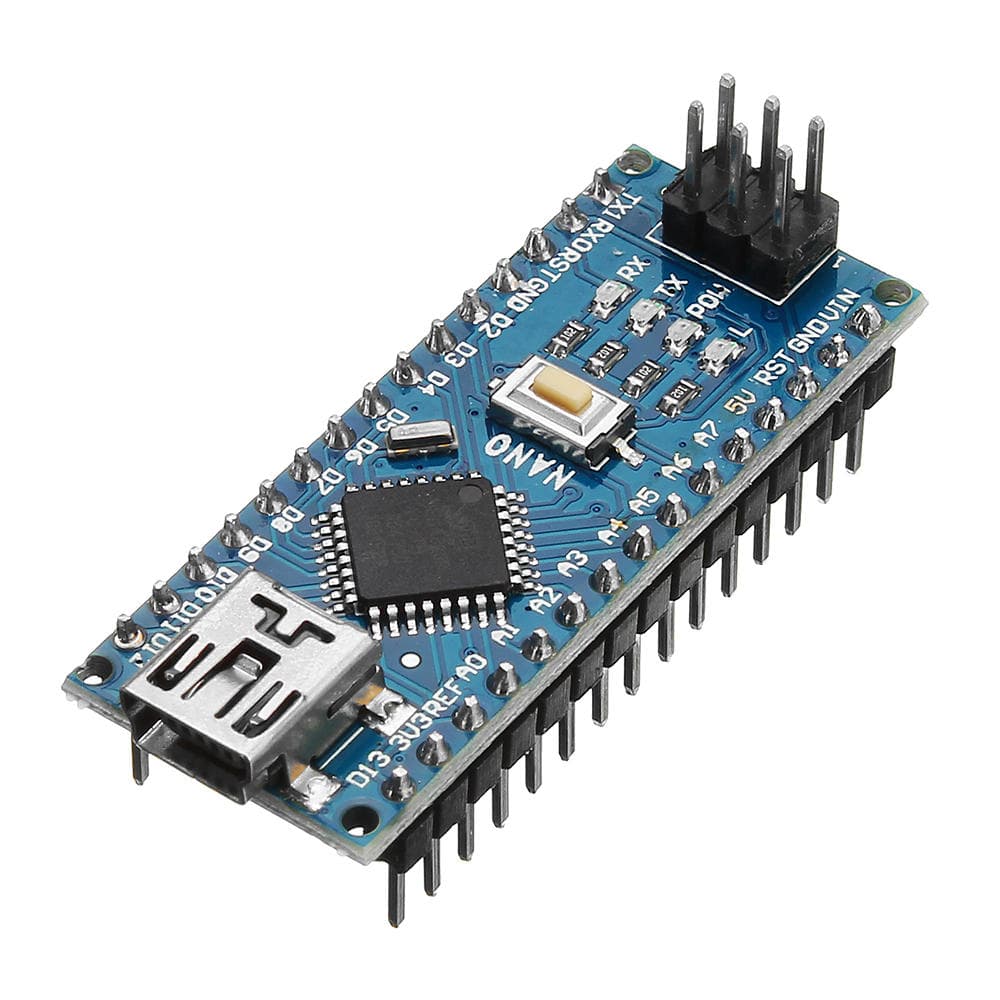
Arduino Nano V3.0 CH340 Development Board (Upgraded Type-C)
Rs 399
Rs 429
 Sale 18%
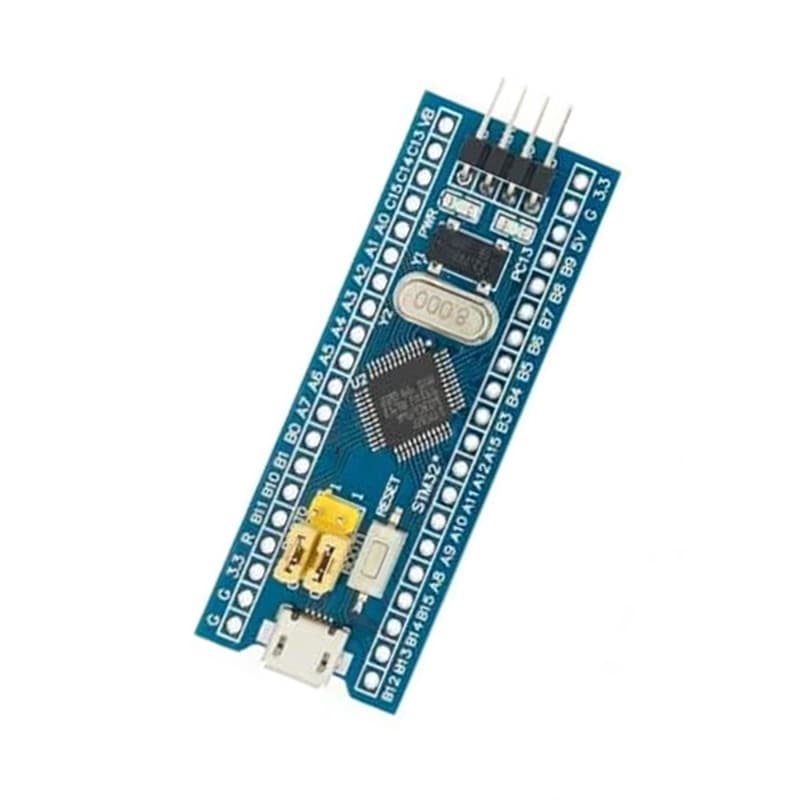
STM32F103C8T6 "Blue Pill" ARM Cortex-M3 Development Board (Seperate Headers)
Rs 249
Rs 302
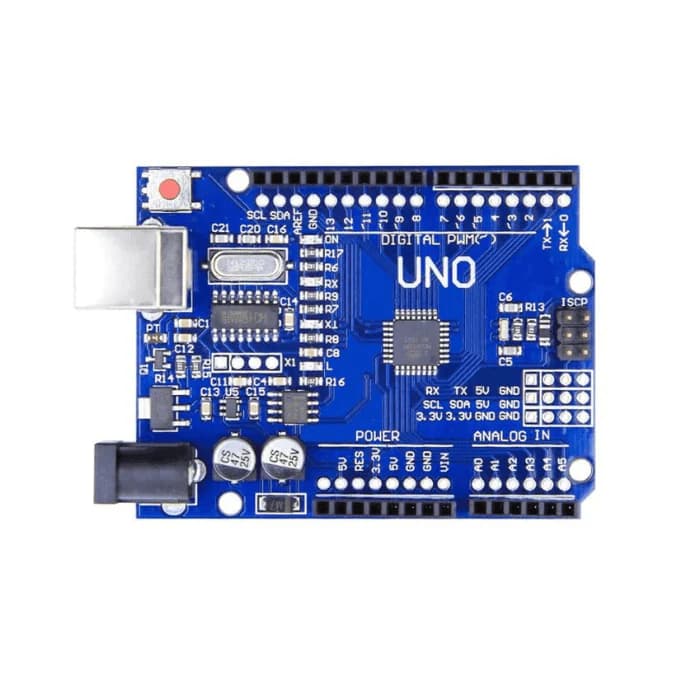
Arduino UNO SMD CH340 Development Board
Rs 399
 Sale 12%
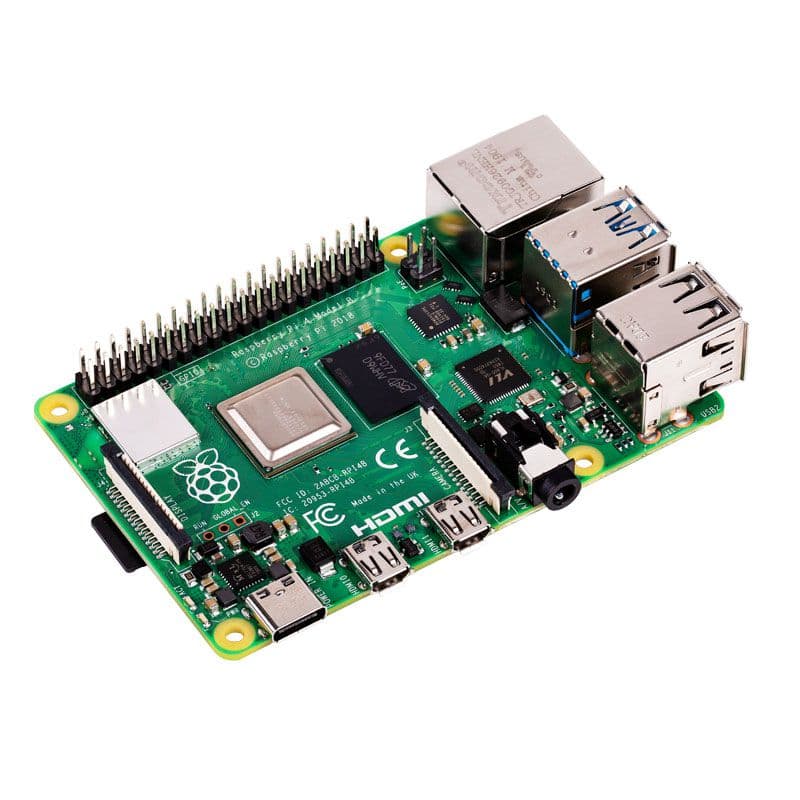
Raspberry Pi 4 Model B - High-Performance Single Board Computer (2GB / 4GB / 8GB RAM)
Rs 7000
Rs 7999
 Sale 7%
ESP32-CAM Development Board WiFi+Bluetooth with OV2640 Camera Module (2MP)
Rs 699
Rs 749
 Sale 7%
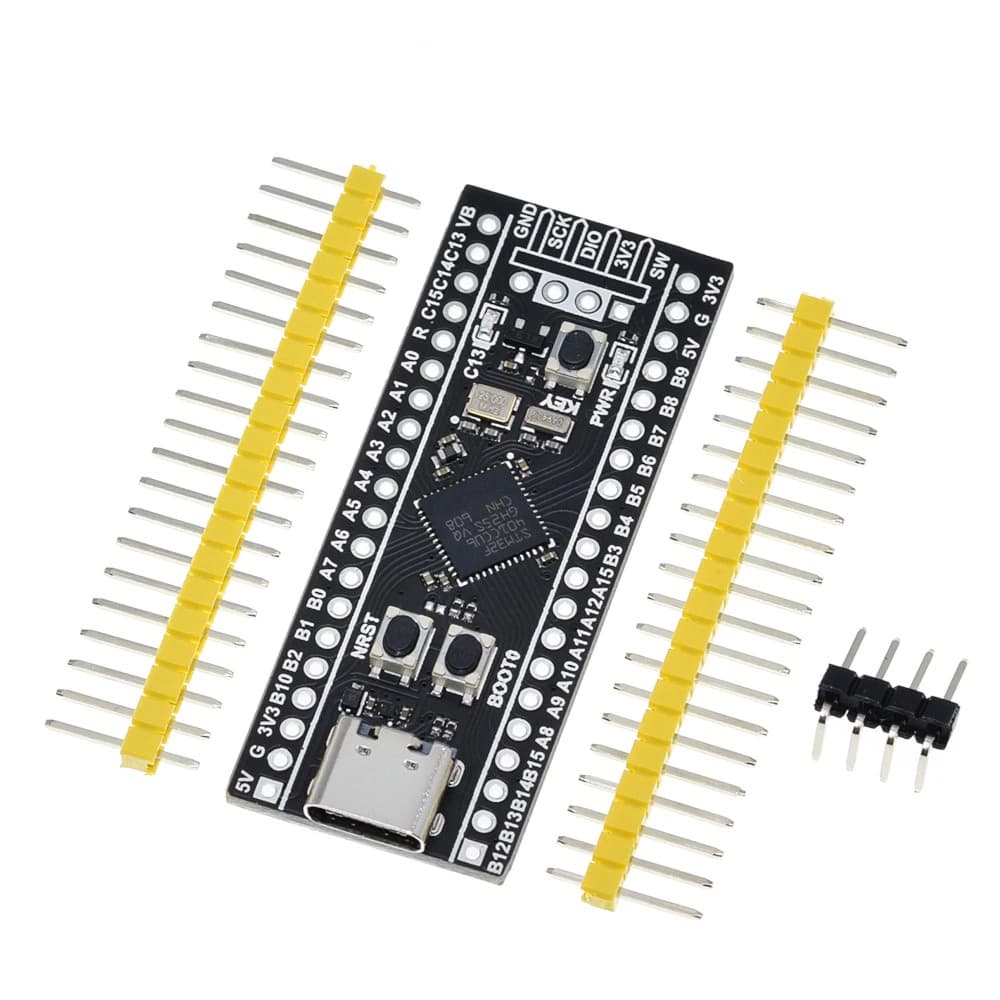
STM32F401CCU6 Black Pill Development Board - High-Performance ARM Cortex-M4
Rs 500
Rs 540
 Sale 29%
Arduino Uno R3 Development Board (ATmega328P) With USB Cable
Rs 499
Rs 699
 Sale 11%
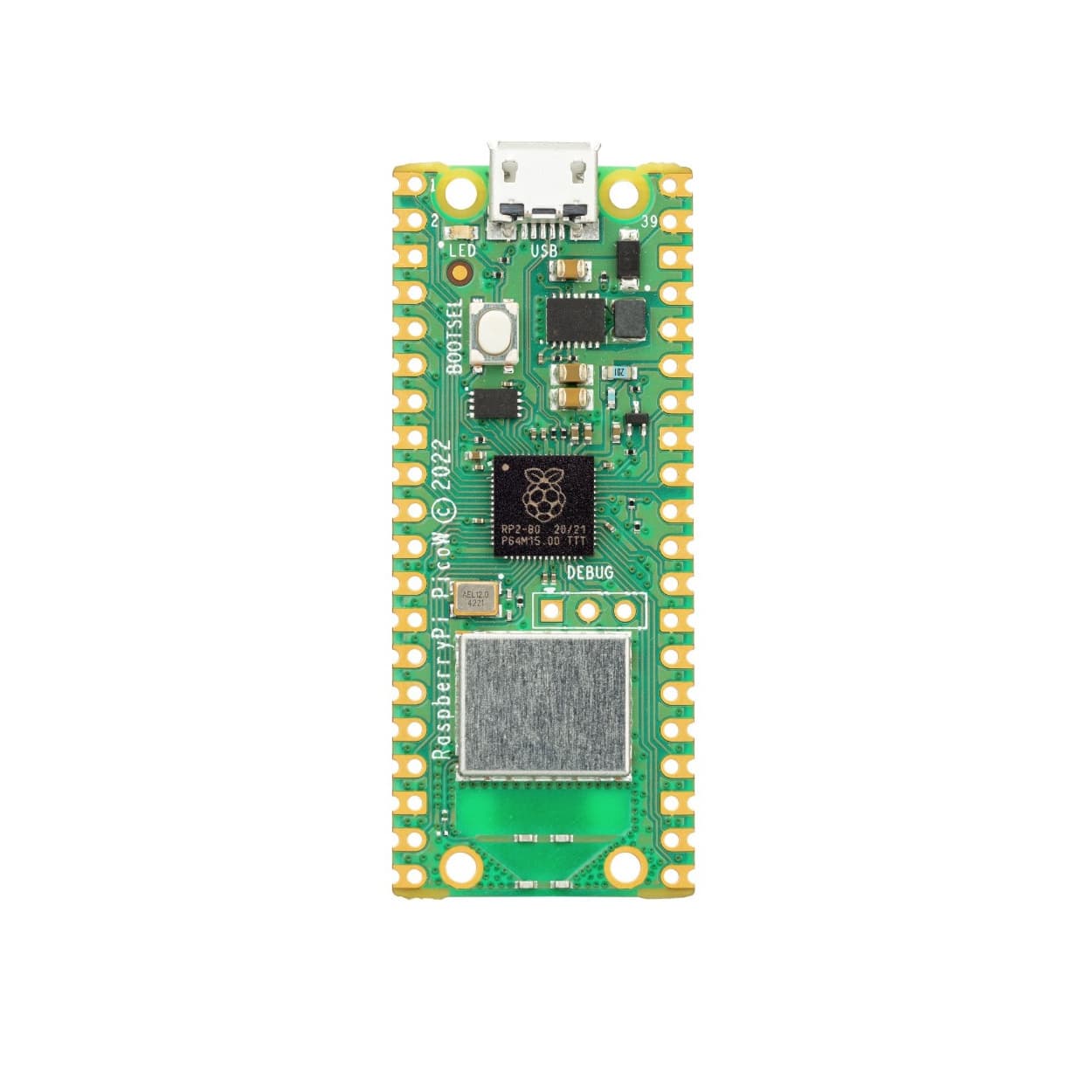
Raspberry Pi Pico W (RP2040 with Wi-Fi & Bluetooth) - Pre-Soldered Headers
Rs 799
Rs 899
 Sale 18%
Seeed Studio XIAO SAMD21 - Ultra-Small ARM Cortex-M0+ Development Board
Rs 700
Rs 849
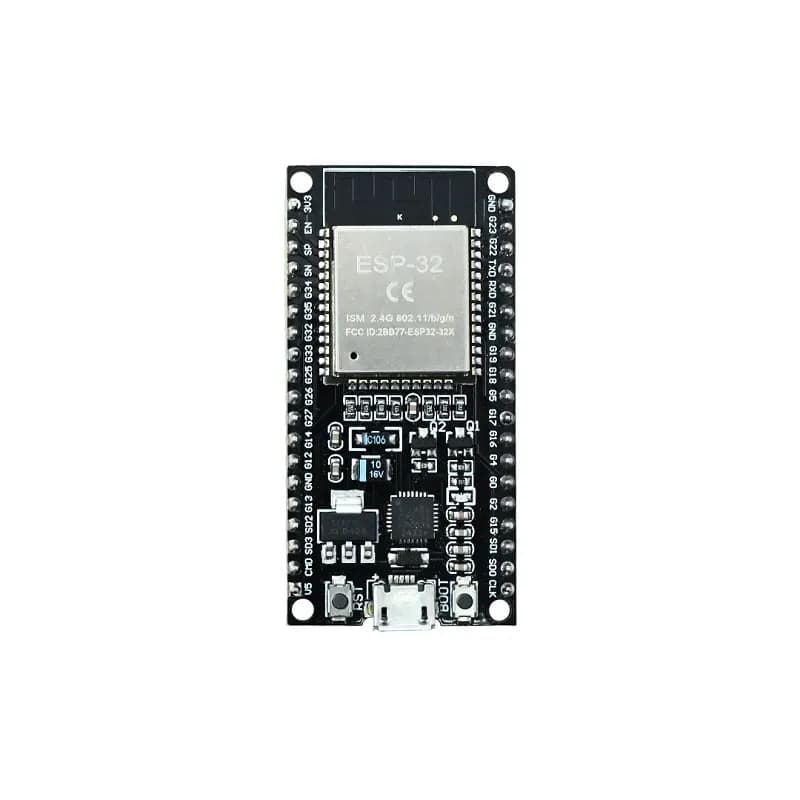
ESP32-WROOM-32 DevKit V1 (Wi-Fi + Bluetooth IoT Board)
Rs 599