 1 / 2
1 / 2Raspberry Pi Pico W (RP2040 with Wi-Fi & Bluetooth) - Pre-Soldered Headers
Estimated delivery
Mon, 12 Oct
Shipping benefit
Free shipping ₹1,499+*
*Standard delivery; eligible order value applies.
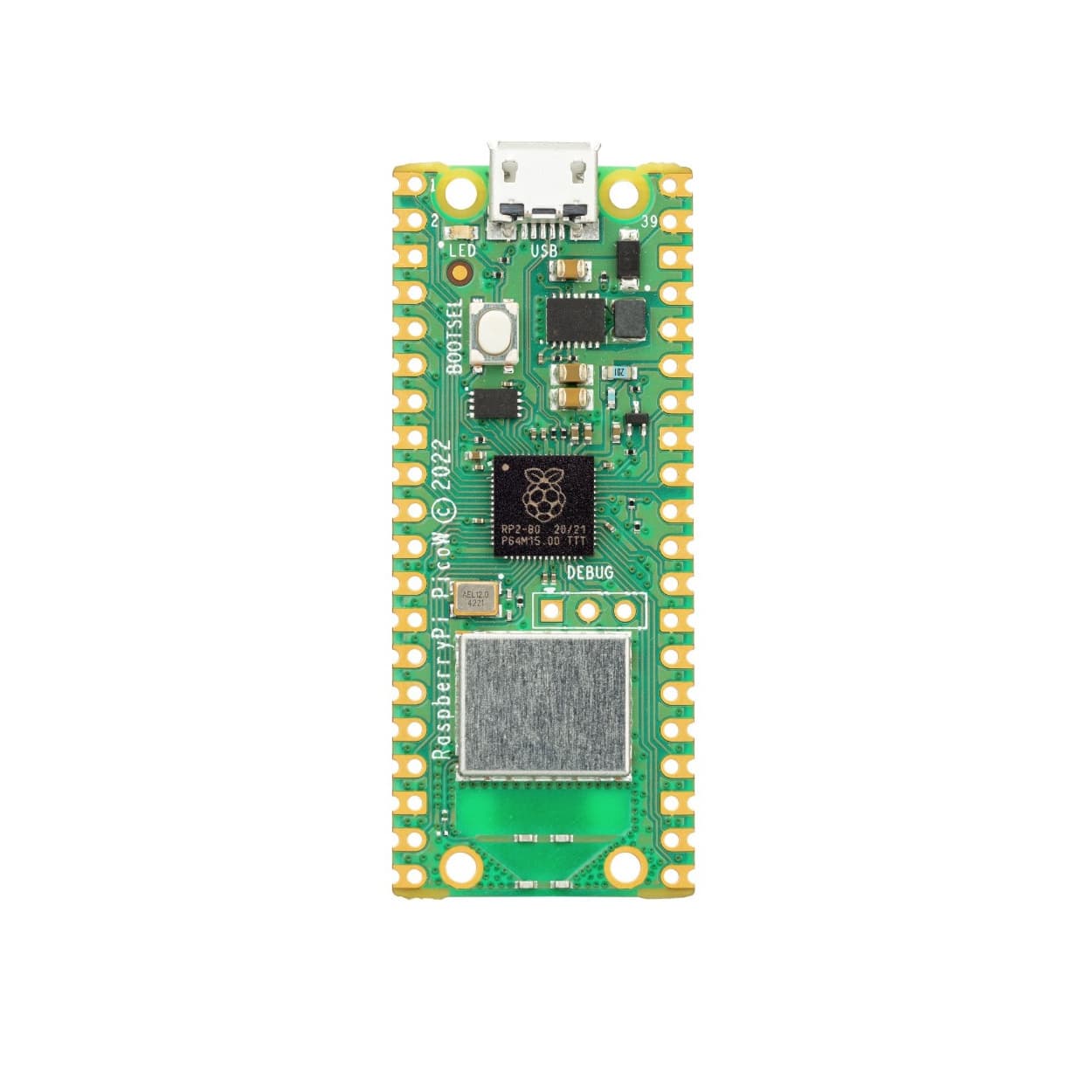
The Raspberry Pi Pico W brings wireless connectivity to the phenomenally popular RP2040 dual-core processor. Featuring the Infineon CYW43439 wireless chip, this tiny board supports 2.4GHz Wi-Fi and Bluetooth LE, making it perfect for building fast, responsive IoT devices. It stands out with its unique Programmable I/O (PIO) state machines, allowing you to create custom hardware interfaces without burdening the main CPU. Whether you are coding in C/C++ or MicroPython, the Pico W is an incredibly versatile, high-performance edge computing board for smart home gadgets, wireless sensor networks, and advanced robotics.
Secure payments
Expert support
Easy replacements
Everything you need to know
Product details
The Raspberry Pi Pico W is not a standard Raspberry Pi computer; it is a powerful, low-cost microcontroller designed directly by the Raspberry Pi Foundation. It utilizes their custom silicon, the RP2040, which features two fast ARM Cortex-M0+ cores running at 133MHz.
What makes this board truly revolutionary for embedded developers is its Programmable I/O (PIO) state machines. Instead of relying on the main CPU to handle custom or high-speed communication protocols (like driving massive LED matrix panels, reading obscure sensor data, or emulating an SD card interface), you can program the PIO to handle it independently. Combined with onboard 2.4GHz Wi-Fi and Bluetooth, it’s a brilliant edge-computing device that easily handles web sockets, MQTT, and real-time data streaming.
Developer Note: This board natively supports MicroPython, making it incredibly fast to prototype wireless projects. Just drag and drop a UF2 file over USB to flash it, and you are ready to start coding.
Key Features
- Microcontroller: Custom RP2040 Dual-core ARM Cortex-M0+ processor @ 133MHz.
- Wireless Chip: Infineon CYW43439 supporting 802.11n Wi-Fi (2.4GHz) and Bluetooth 5.2 (BLE).
- Memory: 264KB on-chip SRAM, 2MB onboard QSPI Flash.
- Operating Voltage: 3.3V Logic (Accepts 1.8V to 5.5V input via VSYS).
- I/O Pins: 26 multi-function GPIO pins (3 can be used for Analog Input).
- Peripherals: 2x SPI, 2x I2C, 2x UART, 16x controllable PWM channels.
- Special Hardware: 8x Programmable I/O (PIO) state machines for custom peripheral support.
- Interface: Micro-USB port for power and data.
Pinout Highlights
- VBUS: 5V Power directly from the Micro-USB port.
- VSYS: Main system input voltage (1.8V to 5.5V) - ideal for running off LiPo batteries.
- 3V3(OUT): 3.3V regulated output to power your sensors.
- GP0 - GP28: General Purpose I/O pins (Note: GP23, GP24, GP25, and GP29 are reserved for internal wireless/LED functions).
- ADC0 - ADC2: 12-bit Analog Inputs (Shared with GP26, GP27, GP28).
- RUN: Reset pin (Pull low to reset the microcontroller).
- DEBUG: 3-pin ARM Serial Wire Debug (SWD) port for professional stepping and debugging.
Built by the community
Customer reviews
Real builds, honest feedback, and photos from people using Raspberry Pi Pico W (RP2040 with Wi-Fi & Bluetooth) - Pre-Soldered Headers.
Picked for this product
You might also like
 Sale 18%
Seeed Studio XIAO SAMD21 - Ultra-Small ARM Cortex-M0+ Development Board
Rs 700
Rs 849
 Sale 7%
ESP32-CAM Development Board WiFi+Bluetooth with OV2640 Camera Module (2MP)
Rs 699
Rs 749
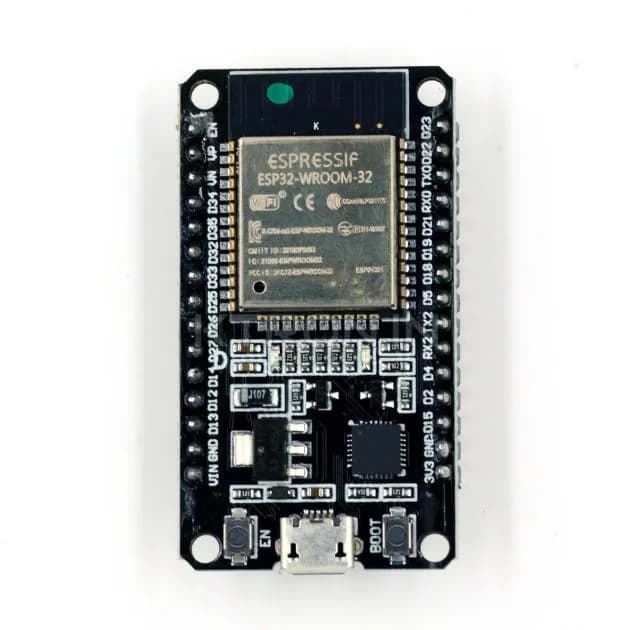
ESP32 30 Pin Standard Development Board
Rs 529
 Sale 18%
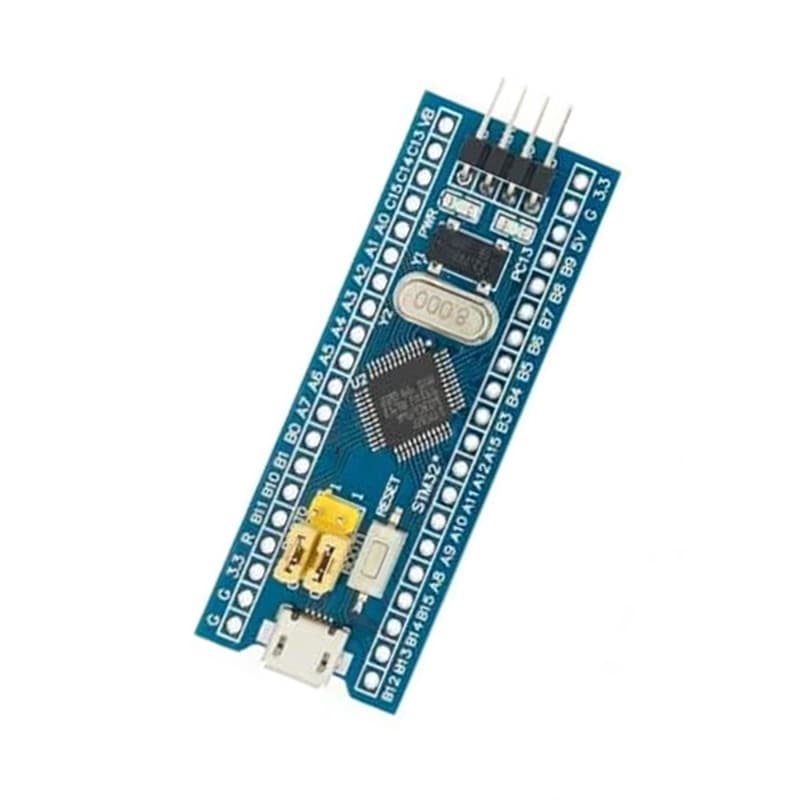
STM32F103C8T6 "Blue Pill" ARM Cortex-M3 Development Board (Seperate Headers)
Rs 249
Rs 302
 Sale 29%
Arduino Uno R3 Development Board (ATmega328P) With USB Cable
Rs 499
Rs 699
 Sale 12%
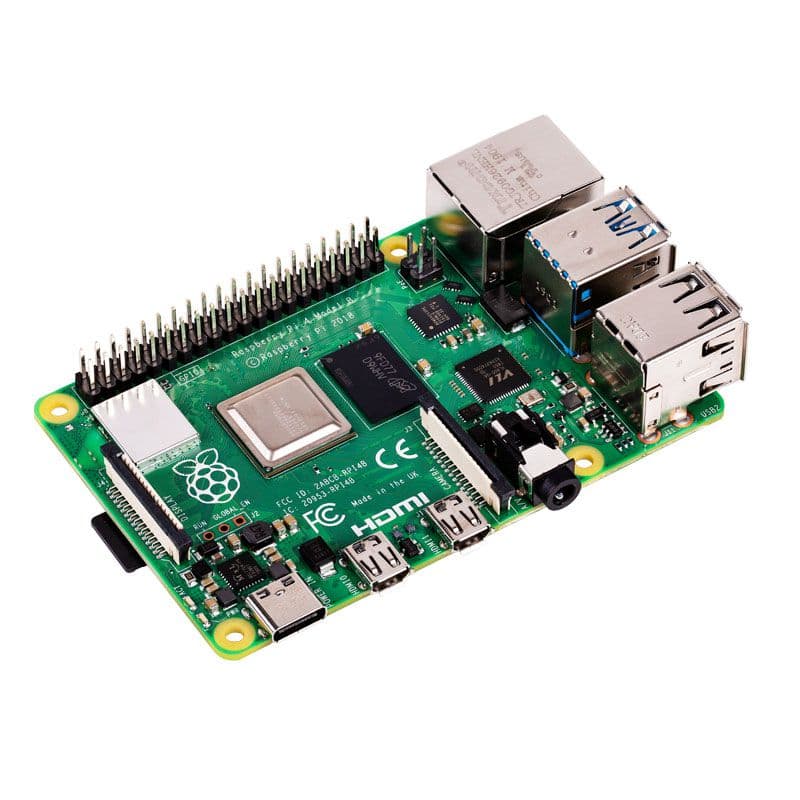
Raspberry Pi 4 Model B - High-Performance Single Board Computer (2GB / 4GB / 8GB RAM)
Rs 7000
Rs 7999
 Sale 7%
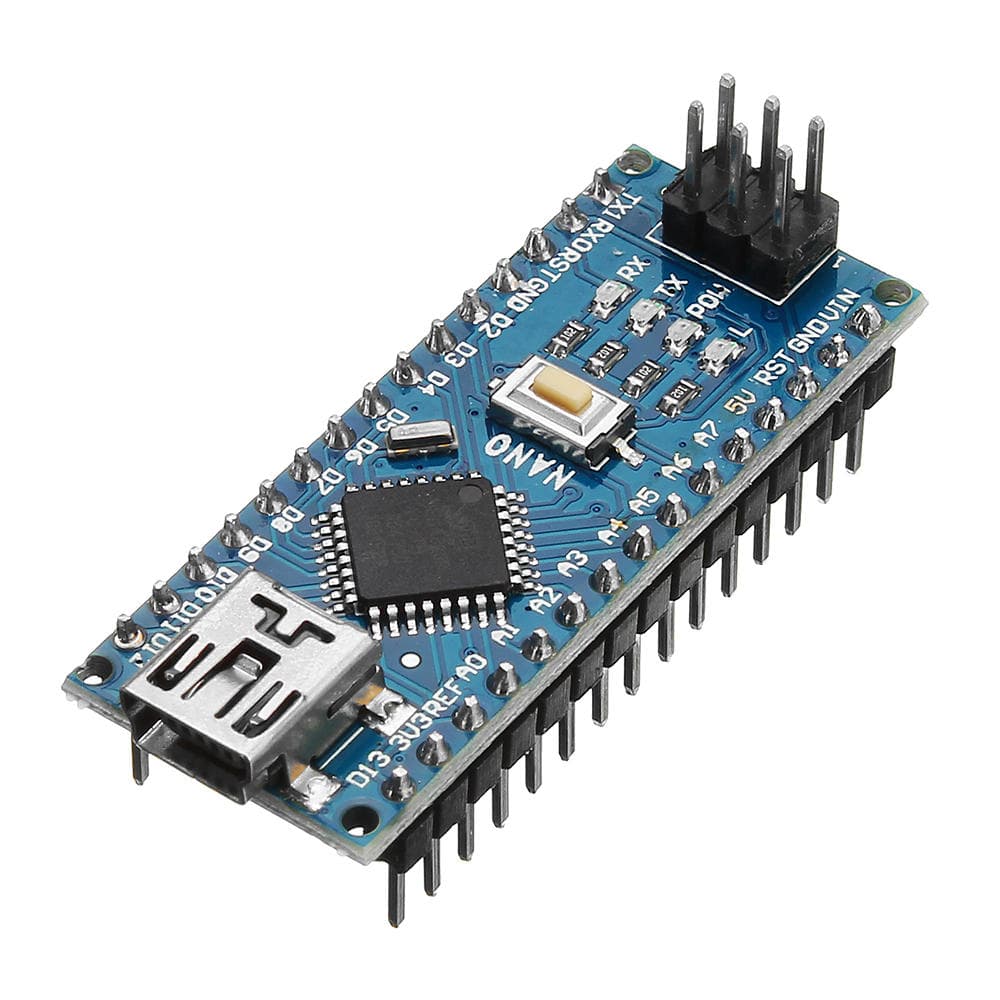
Arduino Nano V3.0 CH340 Development Board (Upgraded Type-C)
Rs 399
Rs 429
 Sale 9%
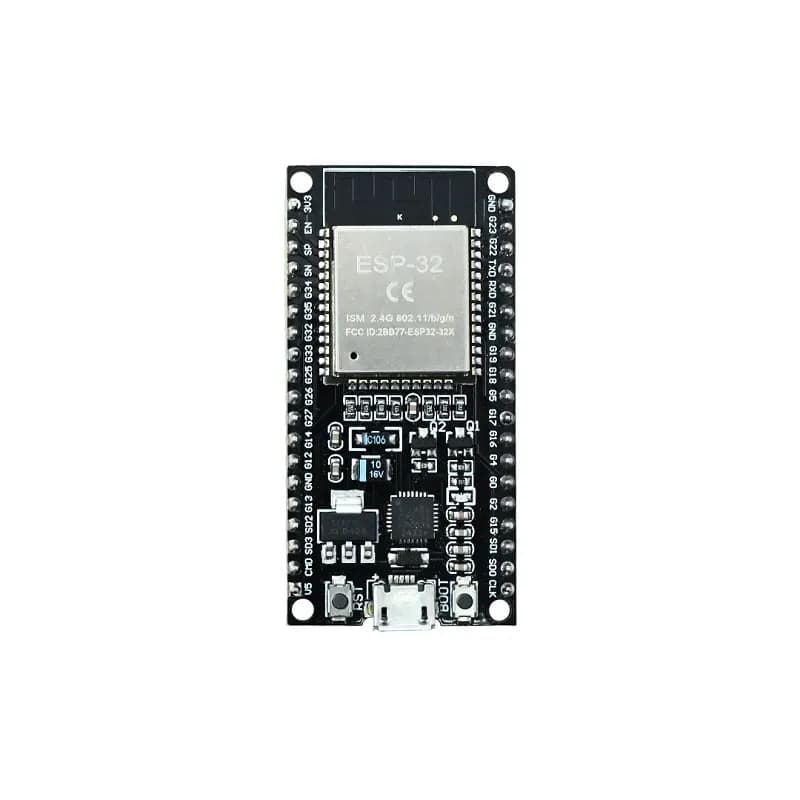
ESP32-WROOM-32 DevKit V1 (Wi-Fi + Bluetooth IoT Board)
Rs 499
Rs 549
 Sale 7%
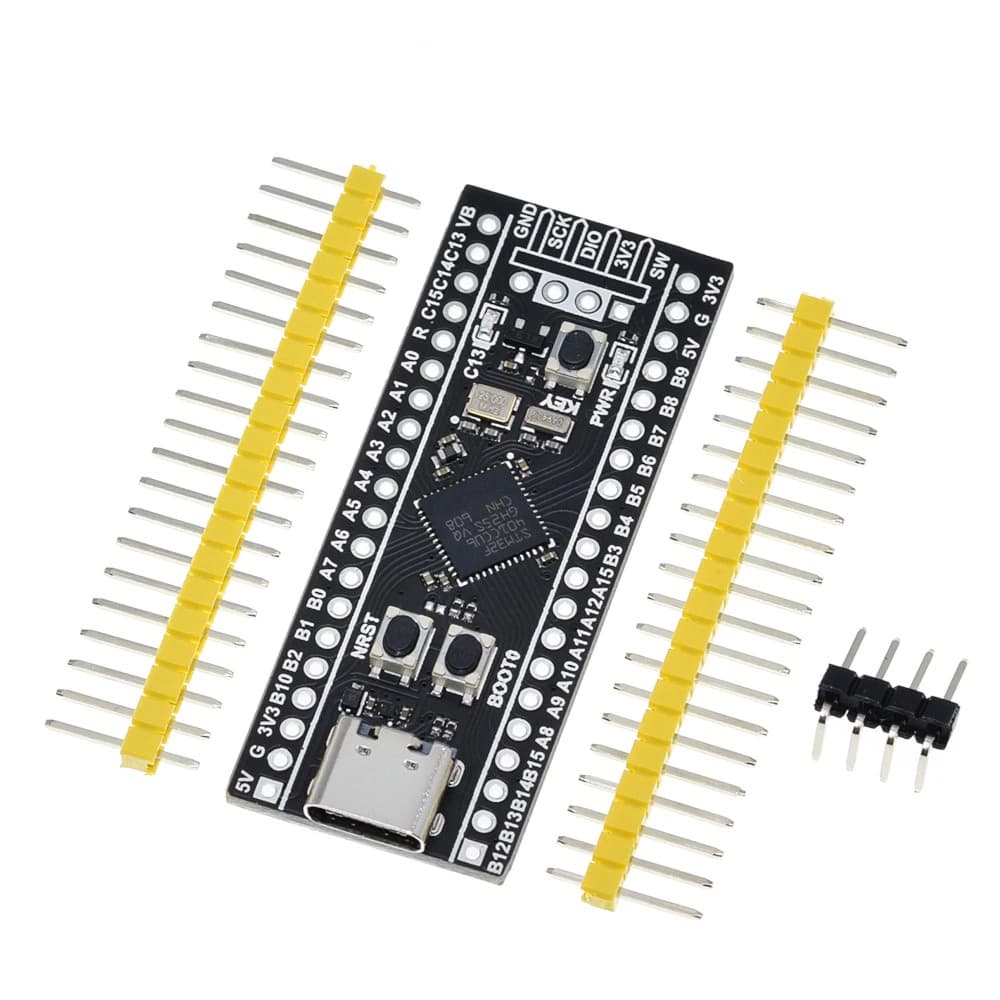
STM32F401CCU6 Black Pill Development Board - High-Performance ARM Cortex-M4
Rs 500
Rs 540
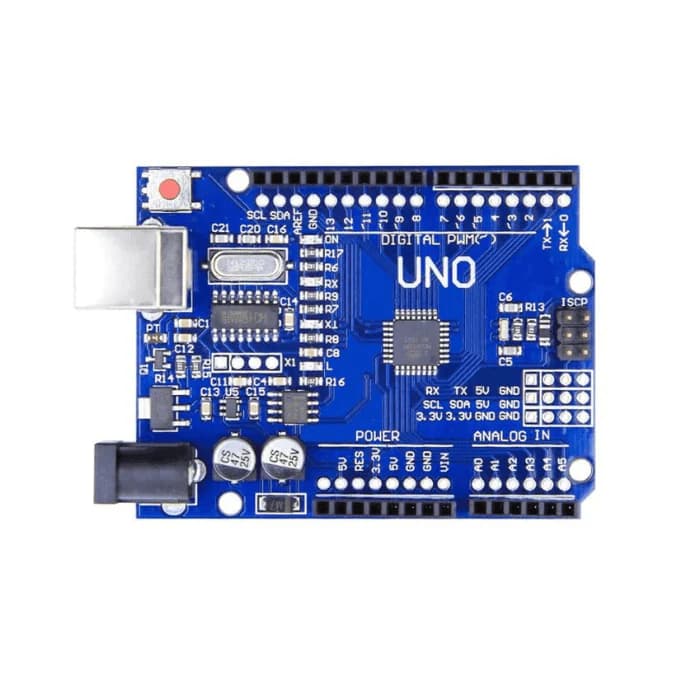
Arduino UNO SMD CH340 Development Board
Rs 399