🎁Engineering & Robotics Gift Kits for Kids in India: An Age-by-Age Guide for Parents
Which electronics, coding or robotics kit should you gift a 6, 9, 12 or 15 year old? A practical guide for Indian parents on age, skills, safety and budget.
In this article (14)
- Which kit for which age?
- Ages 5 to 7: play first, learn quietly
- Ages 8 to 10: make it move, make it glow
- Ages 11 to 13: breadboards and first coding
- Ages 14 to 16: real projects
- A quick checklist before you buy
- Budget guide
- Make the gift last
- Explore Thinking Robot kits
- Frequently asked questions
- What is the best age to start robotics?
- Does my child need to know coding first?
- Is soldering safe for children?
- Are electronics kits safe to use at home?
Birthdays, Diwali, Children's Day on 14 November — sooner or later every parent wonders whether to gift something more meaningful than another toy car. Engineering and robotics kits are a great answer: children build something real, learn how things work, and get the proud feeling of "I made this".
But a kit that is too simple gets ignored, and one that is too hard ends up in a cupboard. This guide helps Indian parents choose by age, skill and budget, and explains what to check before you buy.
Which kit for which age?
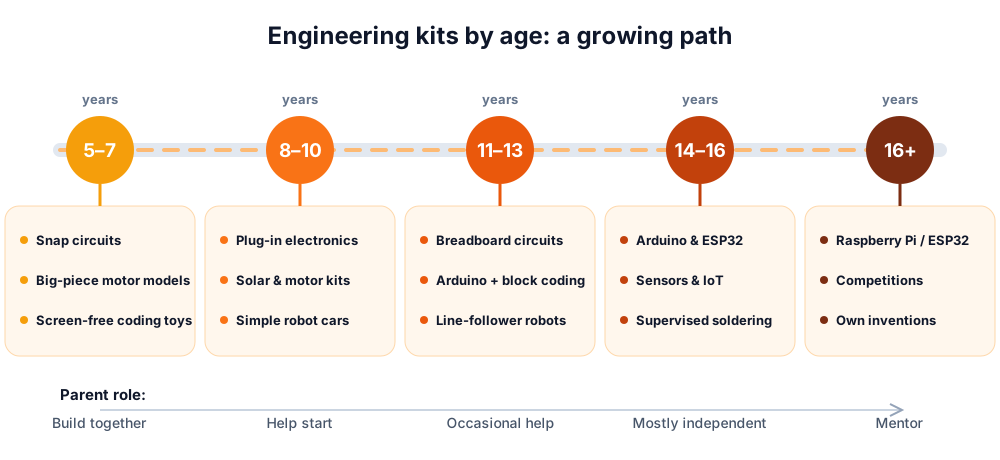 A rough roadmap — every child is different, so treat ages as a guide
| Age | What they enjoy | Good kit types | Parent involvement |
|---|---|---|---|
| 5 – 7 | Building, colours, cause and effect | Snap-together circuits, big-piece motor models, screen-free coding toys | Build together |
| 8 – 10 | Making things move and light up | Snap or plug-in electronics, solar and motor kits, simple robot cars | Help with the first project |
| 11 – 13 | Challenges, games, "can I make it do…?" | Breadboard electronics (no soldering), block coding with Arduino-type boards, line-following robots | Occasional help |
| 14 – 16 | Real-world projects, showing friends | Arduino and ESP32 kits, sensors and IoT, supervised soldering, text coding (C++ / Python) | Mostly independent |
| 16 + | Competitions, college prep | ESP32 / Raspberry Pi projects, robotics competitions, custom builds | Mentor role |
Ages 5 to 7: play first, learn quietly
At this age the goal is curiosity, not theory. The best kits have large pieces, no small loose parts, and give a result within minutes — a fan spins, a light glows, a buzzer sounds.
- Snap-together circuit kits where parts click onto a board
- Simple motor models (a fan, a car, a windmill) with big screws
- Screen-free coding toys that follow arrow cards
Ages 8 to 10: make it move, make it glow
This is the sweet spot for a first "real" electronics kit. Children can follow a printed guide, use a small screwdriver and understand simple ideas like "the battery pushes electricity around a loop".
Good choices include plug-in electronics kits with 20–50 projects, solar-powered models, and robot cars that use motors and a switch or simple sensor. Look for kits that explain why something works in a sentence or two after each project.
Ages 11 to 13: breadboards and first coding
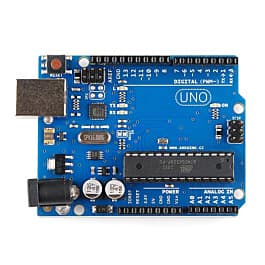
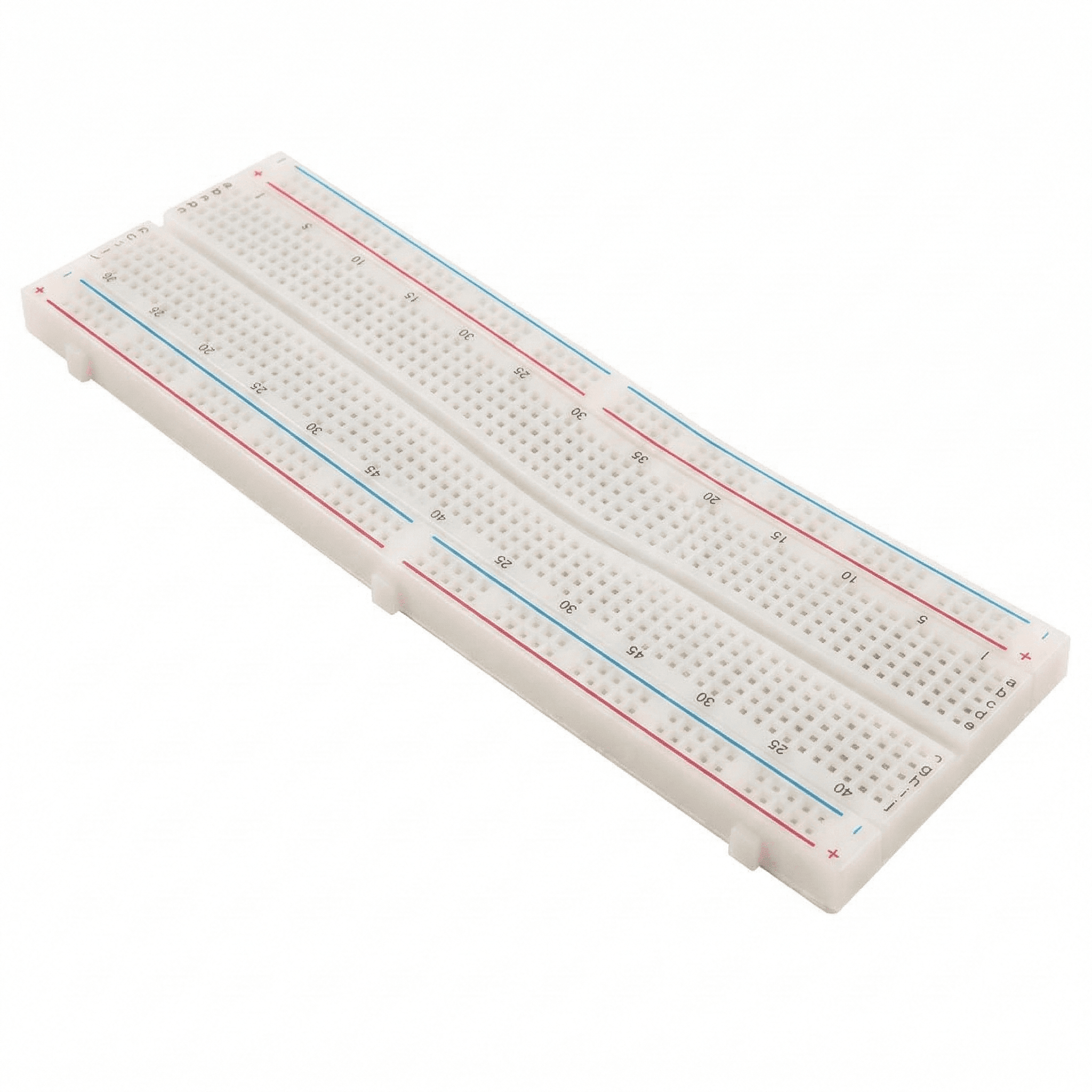
Now children can handle a breadboard — the white board with holes that lets you build circuits without soldering. Combined with an Arduino-compatible board and block-based coding, they can build traffic lights, reaction-time games, obstacle-avoiding robots and plant-watering alarms.
What to look for:
- A board that can be programmed with blocks first, then text code later
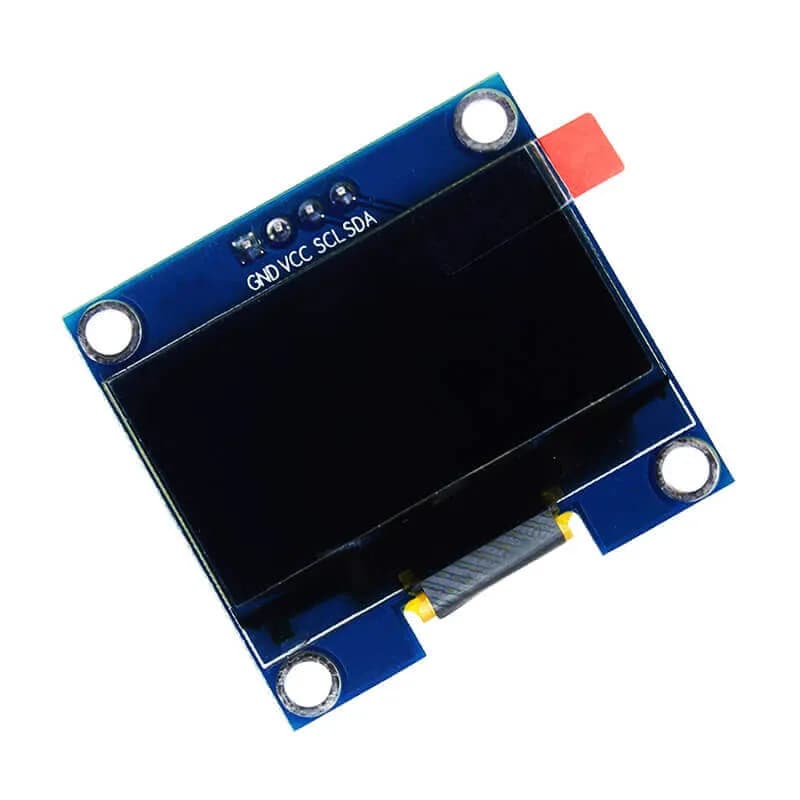
- A good set of sensors: ultrasonic distance, light, temperature, IR, a buzzer and a few LEDs
- Projects with a goal — a robot that follows a line is more exciting than "LED blinks"
This is also when calculations start to matter. Our free LED resistor calculator and Ohm's law calculator are written so that a curious 12-year-old can use them.
Ages 14 to 16: real projects
Teenagers enjoy projects they can show off or actually use: a Wi-Fi weather station, a phone-controlled robot, a smart home light, a science-fair entry. ESP32 boards bring Wi-Fi and Bluetooth, and supervised soldering opens up permanent builds.
Choose kits that come with proper documentation and code that can be modified, not just copied. Bonus points for kits that connect to what they study in school — circuits, motion, energy — and for problems that need thinking, not just following steps.
A quick checklist before you buy
| Check | Why it matters |
|---|---|
| Clear guide in simple English (and ideally video) | Children give up when instructions are confusing |
| Low-voltage, battery powered | Safe to use at home without constant supervision |
| BIS ISI mark for toys meant for children under 14 | Toys sold in India for this age group must meet BIS standards |
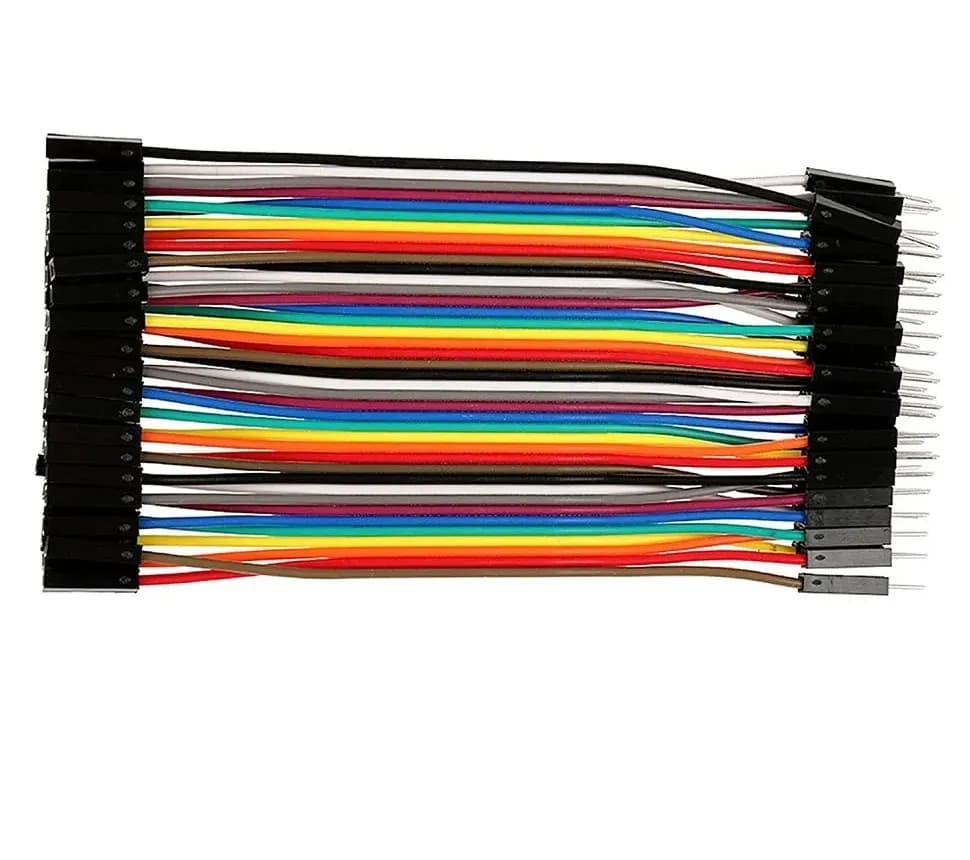
| Quality connectors and wires | Loose jumper wires are the number one cause of "it doesn't work" |
| Spare parts and support available in India | Lost or broken parts shouldn't end the hobby |
| Room to grow (more projects, add-ons, coding) | A kit that grows with the child gives better value |
Budget guide
| Budget (approx.) | What you can expect |
|---|---|
| Under ₹1,000 | A single-project model, a small solar or motor kit, or a basic LED and circuit kit |
| ₹1,000 – ₹2,500 | Multi-project snap or plug-in electronics, or a simple robot car |
| ₹2,500 – ₹5,000 | Arduino-compatible starter kit with sensors, or a programmable robot |
| ₹5,000 and above | Advanced robotics or ESP32/IoT kits, bundles with guided learning |
Make the gift last
A kit is the start, not the end. A few ideas to keep the excitement going:
- Build the first project together on the day you give it.
- Ask your child to teach you how it works afterwards — explaining is the best way to learn.
- Set a small challenge each weekend: "Can you make the robot stop before it hits the wall?"
- Try a few weekend experiments together — our 5 electronics experiments for kids need only batteries, lemons and sunlight.
- When they are ready for robots, the robot car motor guide is a great first build.
- Join a hands-on workshop where children build with others. See our workshops.
Explore Thinking Robot kits
Thinking Robot designs electronics and robotics kits in India for curious children and young makers, with step-by-step guides and projects that grow in difficulty. Browse our kits or see all products to find one that fits your child's age and interests.
Frequently asked questions
What is the best age to start robotics?
Many children enjoy simple building and motor kits from about 6 years old. Programmable robots usually make sense from around 9 to 10, when children can follow multi-step instructions and enjoy problem-solving.
Does my child need to know coding first?
No. Good kits teach coding along the way, starting with drag-and-drop blocks. Building the hardware first often makes coding more meaningful, because the code makes something real move.
Is soldering safe for children?
With adult supervision, a temperature-controlled iron, safety glasses and good ventilation, many teenagers solder safely from about 13 or 14. Younger children should use solderless snap, plug-in or breadboard kits.
Are electronics kits safe to use at home?
Kits that run on AA or AAA batteries, or on a USB power bank, are low voltage and safe for home use. Avoid any project that connects to mains (230 V) electricity unless an experienced adult is in charge.
Thinking Robot Team
Thinking Robot is a team of engineers and educators in Pune who design electronics and robotics kits and run hands-on workshops for students and schools. Spotted a mistake or have a question? Get in touch.