💡INSPIRE-MANAK for Parents: Can My Child's Robotics Idea Enter, and How?
How INSPIRE-MANAK works for students in Classes 6 to 12: who nominates, what counts as an original idea, what parents may do, and how to prepare early.
In this article (12)
Yes, if the core idea is your child's own and solves an everyday problem. Parents cannot nominate. The school principal submits up to five ideas from Classes 6 to 12 online. Projects from textbooks, DIY books or websites, or other competitions are not accepted. Shortlisted students receive Rs 10,000. Nominations for 2026-27 have closed, so use this year to prepare.
Checked on the official site on 24 November 2026. We are not connected with the scheme.
How it works
| Stage | What happens |
|---|---|
| School | Up to 5 ideas per school, at most 2 from Classes 11 and 12 |
| Shortlist | About 1,00,000 students, Rs 10,000 each |
| District, then state, then national | The top tenth moves on at each stage |
| Final | Top 1,000 shown nationally, 60 chosen |
Source: the official scheme flow and brochure. Entries are individual. Classes 11 and 12 are science stream only. Ideas may be written in any of the 22 scheduled languages, including Marathi.
Original or copied?
The brochure rules out projects from textbooks, DIY books or websites, and entries from other competitions. This table is our reading, not the judges'.
| Project | Likely fit | How to make it your own |
|---|---|---|
| A standard line-following robot | Poor, it is a common build | Start from a job at home or school, and ask if a robot is even needed |
| An obstacle-avoiding car | Poor | Same |
| A model of the solar system | Poor, it only shows a concept | Solve a problem instead |
| A water level or tank overflow alarm | Poor, water level indicators are on the official common-ideas list | Start from a different problem |
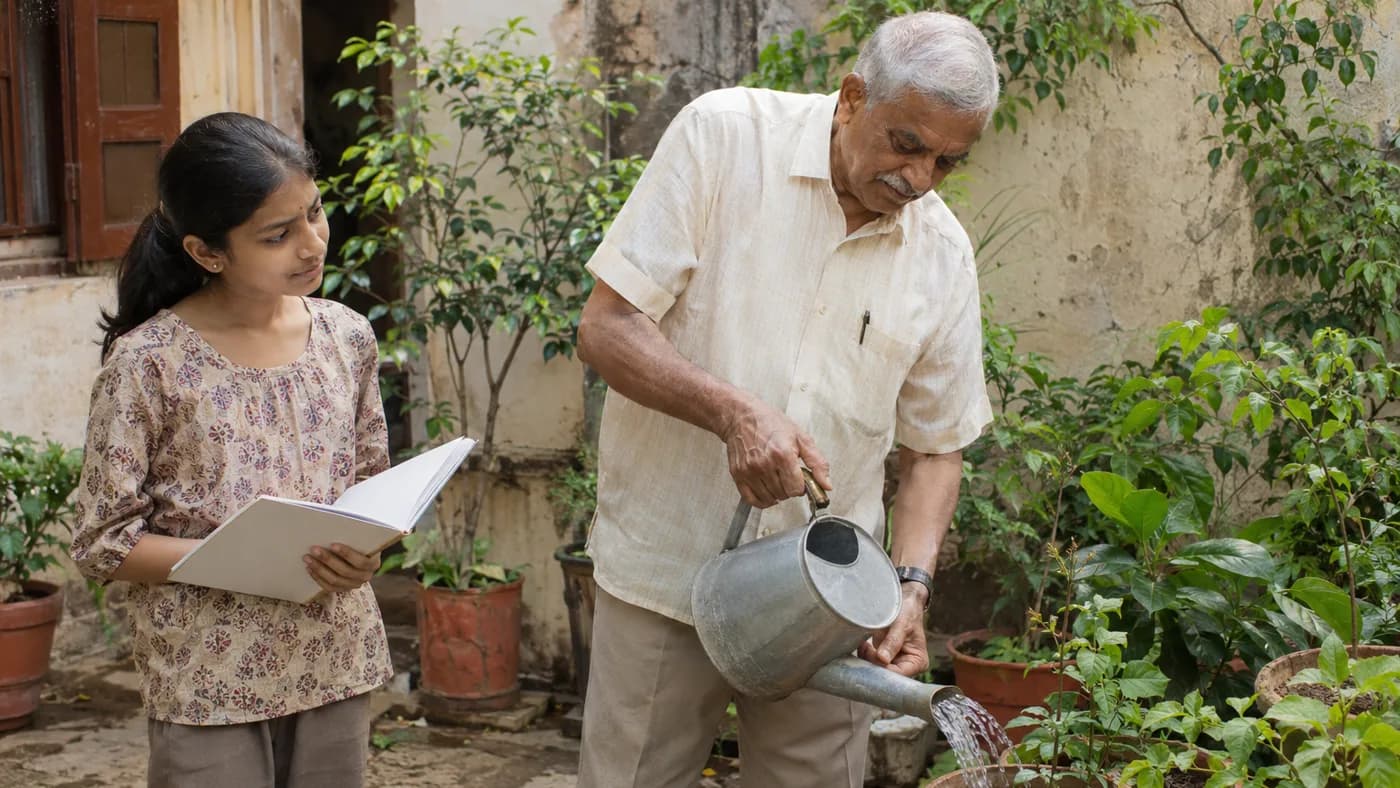
| A tool that helps a grandparent grip or reach | Possible | Design for one named need, then improve it |
Before choosing, check the official list of common ideas. It also names smart walking sticks, automated irrigation and fire-fighting robots.
It does not have to be robotics. A clever mechanical idea with no electronics can be stronger.
Find a problem worth solving
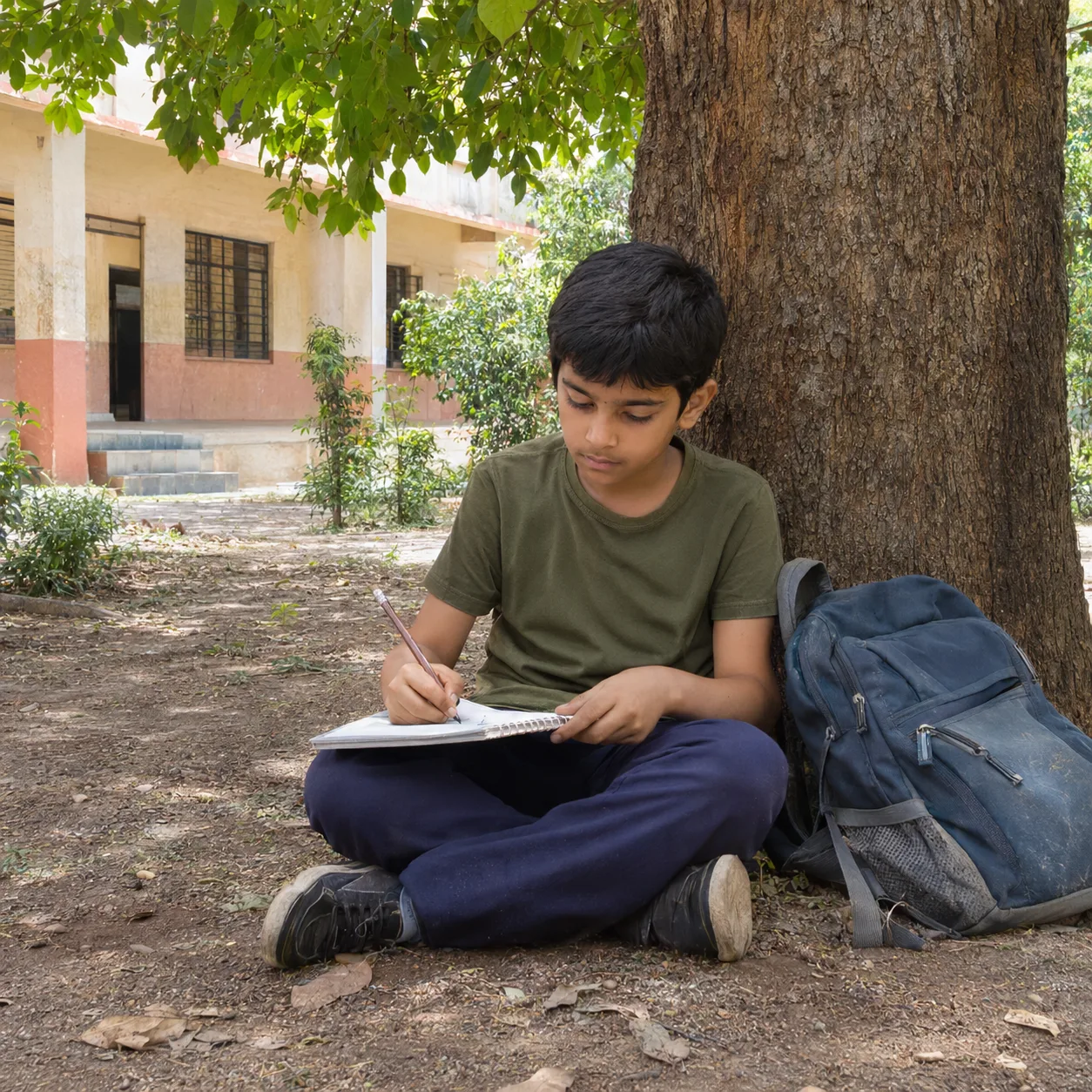
Ask your child to list ten small annoyances in one week: at home, at the vegetable market, on a farm visit, on the school bus. Then ask three questions of each. Who has this problem? What do they do now? What would make it 20 percent better?
The best ideas often look ordinary. Pick the one your child can explain to a neighbour in two sentences.

Keep a notebook
Date each page. Draw the problem, the first idea, what went wrong, and the change. A notebook helps show how the idea developed, and it is the best preparation for questions.
What parents may do
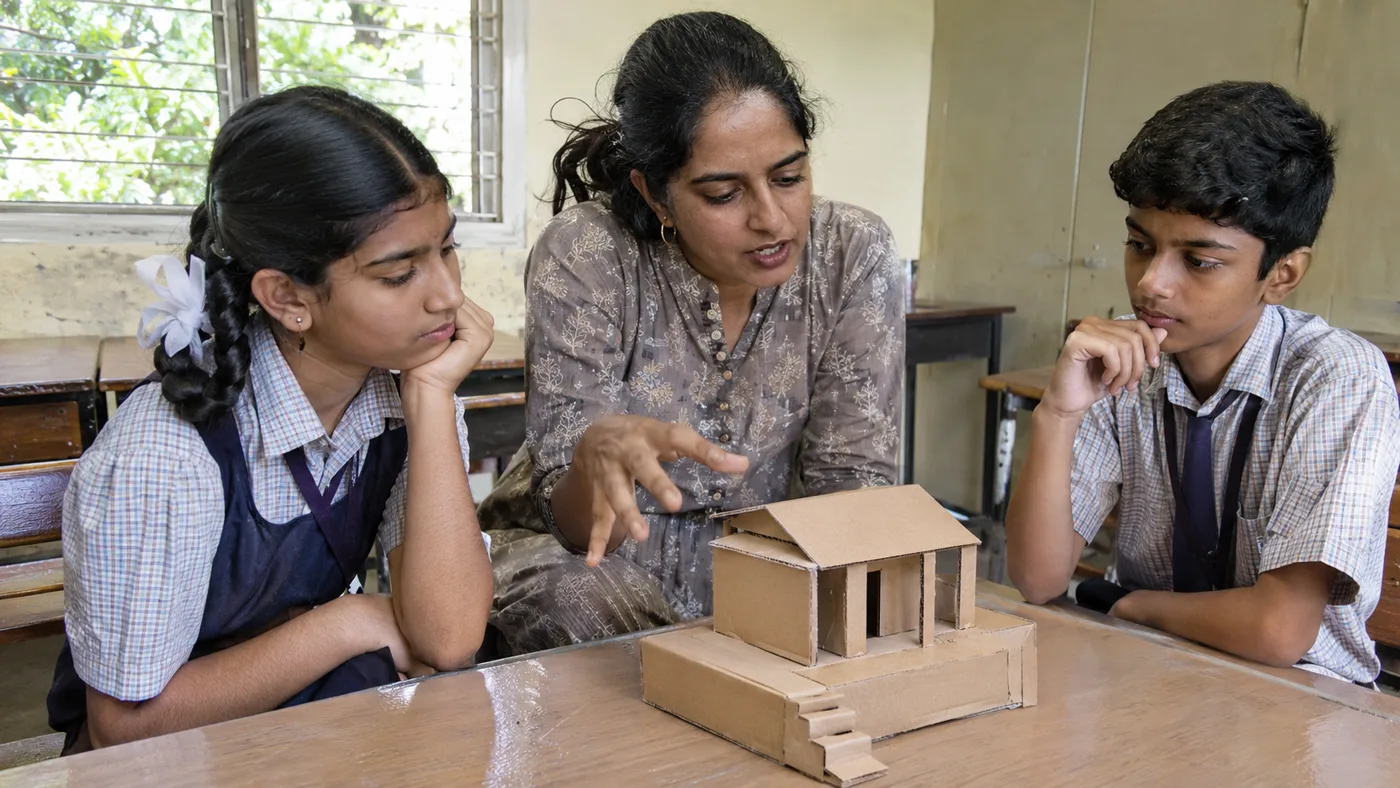
The brochure says parents may suggest a problem or help with making a prototype. The idea must be the child's. Good help: listening, finding safe materials, checking dangerous tools. Poor help: buying a finished model.
Talk to the school early
Ask in April who handles nominations and how ideas are chosen inside the school. The official letter gave the 2026 window as 15 July to 15 September; check the official site for next year's dates.
Frequently asked questions
Can a parent apply directly?
No. Nomination is through the school.
Can two friends enter together?
No. Entries are individual.
Can my child use a kit?
The official pages we opened do not discuss kits. The idea must be original, so a kit can be a tool for learning or testing, and never the entry by itself. That includes ours.
Is there a fee?
We did not see one stated. Your school can confirm.
How is this different from robotics competitions?
It rewards ideas, not robot performance. For contests, see robotics competitions in Pune. For a first public outing, try a school exhibition.
Thinking Robot Team
Thinking Robot is a team of engineers and educators in Pune who design electronics and robotics kits and run hands-on workshops for students and schools. Spotted a mistake or have a question? Get in touch.