🏫How to Start a Small School Robotics Club Without a Lab
A practical 12-week plan for a small school robotics club with 12 students, four shared kits and one hour a week, plus safety and permission steps.
In this article (13)
Start with 12 students, two adults, one hour a week and four shared kits. Spend the first month unplugged, then rotate the roles of builder, coder, tester and recorder. End each term with a show-and-tell. Get written approval, follow your school's safety rules and grow only when parts, attendance and teacher time are steady.
Why small beats big
Code Club's tips for a thriving club say to start small, pair students, ask guiding questions, hold show-and-tells and give certificates. It says working in pairs can boost concentration, teamwork and problem-solving.
A large project can be a goal, but it costs far more. A school robotics lab for a ZP school in Lonikand, Pune, reportedly cost Rs 25 lakh, part-funded by a company's CSR programme. Start with shared kits and cardboard.
Before week 1
| Step | Who |
|---|---|
| Ask the head for written approval, day, room and two adults | Teacher |
| Agree group size and consent form wording | School |
| Make a parts list and a storage place | Club lead |
| Tell parents what is free and what is not | School |
| Check staff and visitor rules | School |
A 2025 Maharashtra report described verification for regular, outsourced and contractual staff. The report does not mention parent volunteers, so ask your head which rules apply.
12-week plan
| Weeks | Focus | Needs |
|---|---|---|
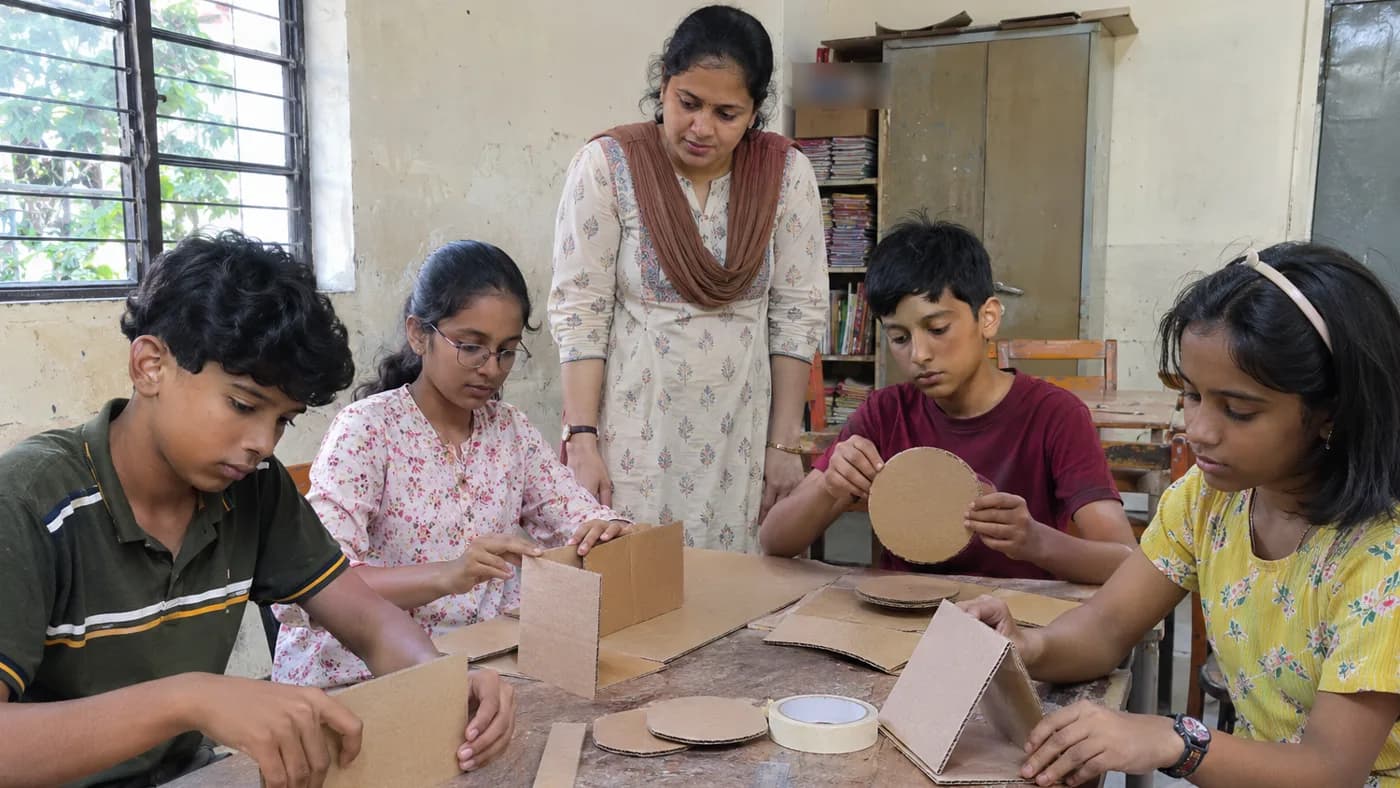
| 1 to 4 | Unplugged: sequences, cardboard builds, the grabber | Craft supplies |
| 5 to 8 | Kits shared three to a kit, roles rotate | Four kits |
| 9 to 11 | Team's own small project | Same kits |
| 12 | Show-and-tell for parents and younger classes | Hall or classroom |
Roles that rotate
Builder follows the steps. Coder writes or changes the program. Tester tries it and says what happened. Recorder draws and dates the notebook page. In a team of three, the tester also records. Swap every week, so nobody becomes the permanent expert.
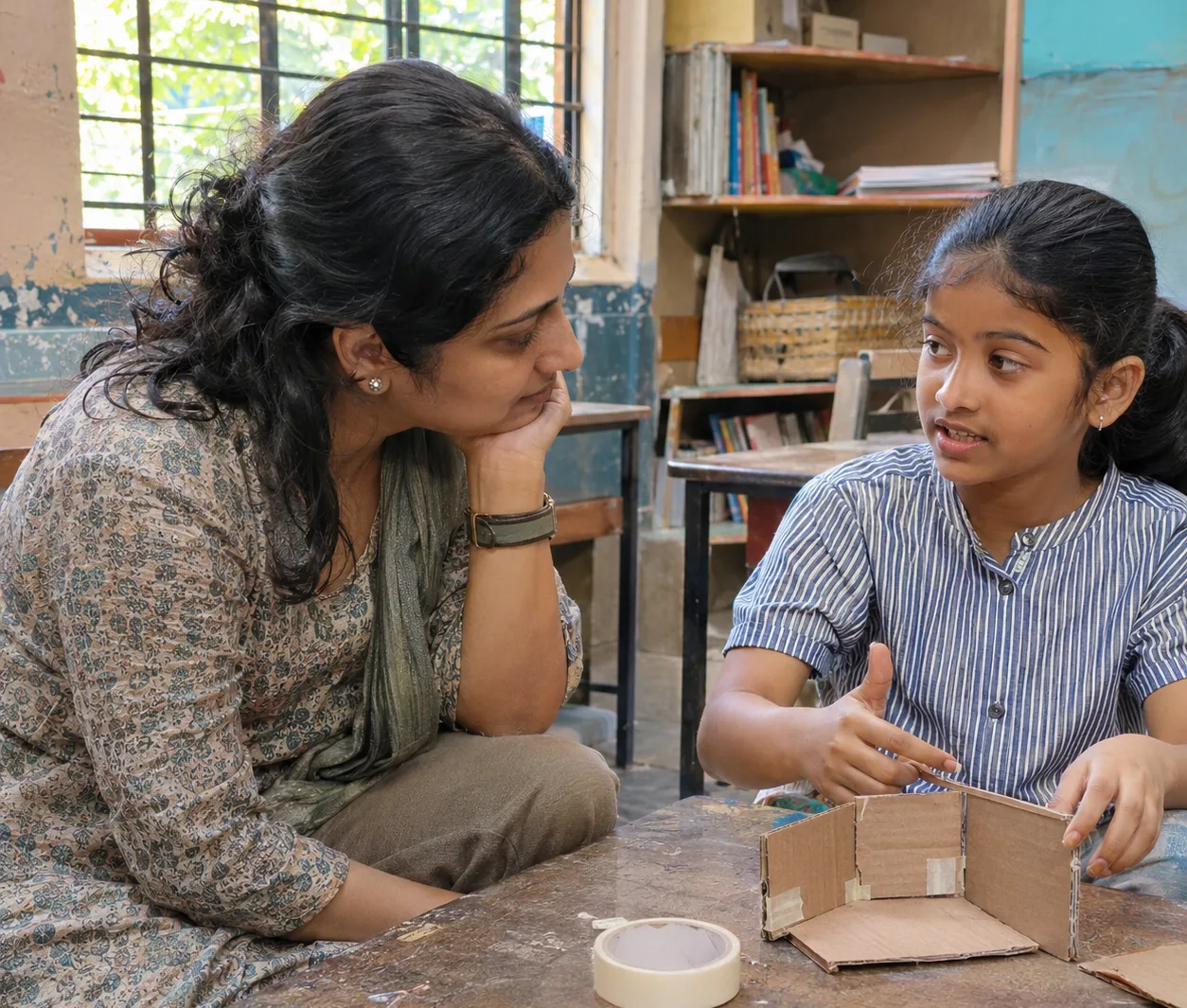
Spend ten minutes agreeing rules together, then use "Ask three, then me". Code Club describes this in its first-session guide.
Keeping costs honest
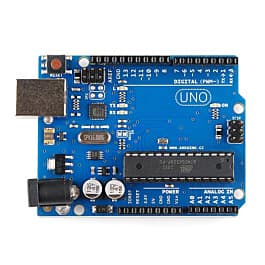
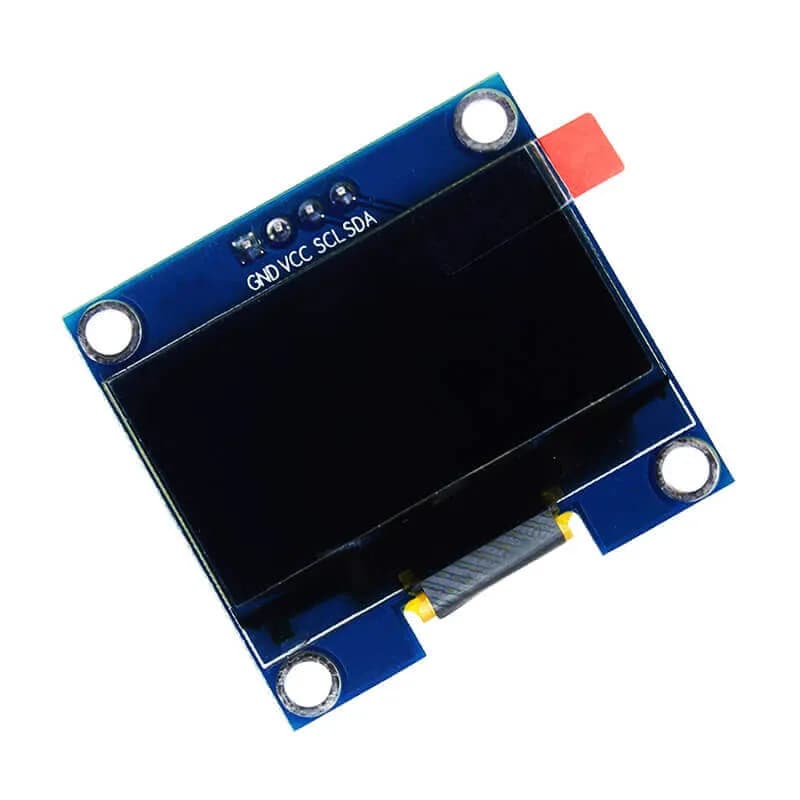
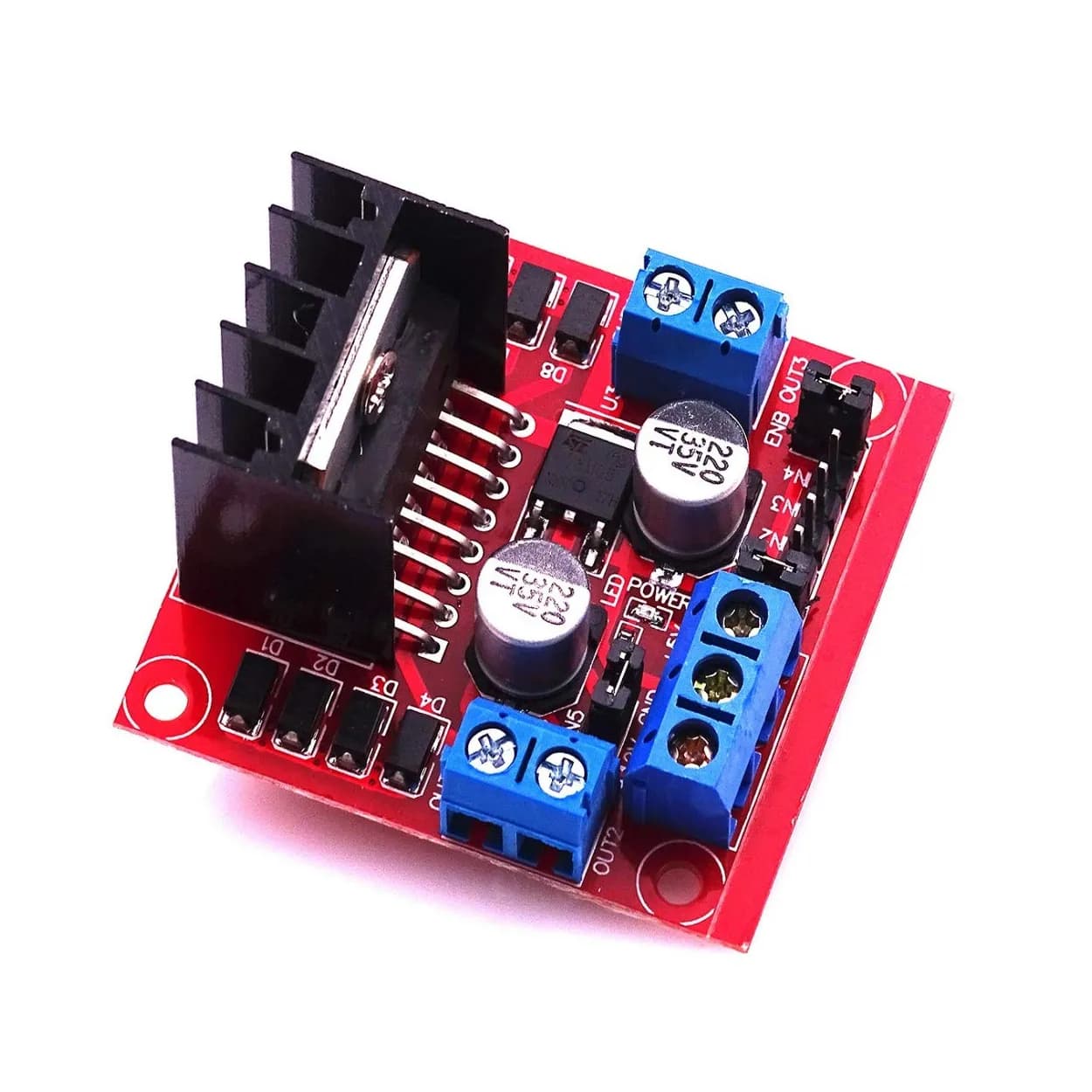
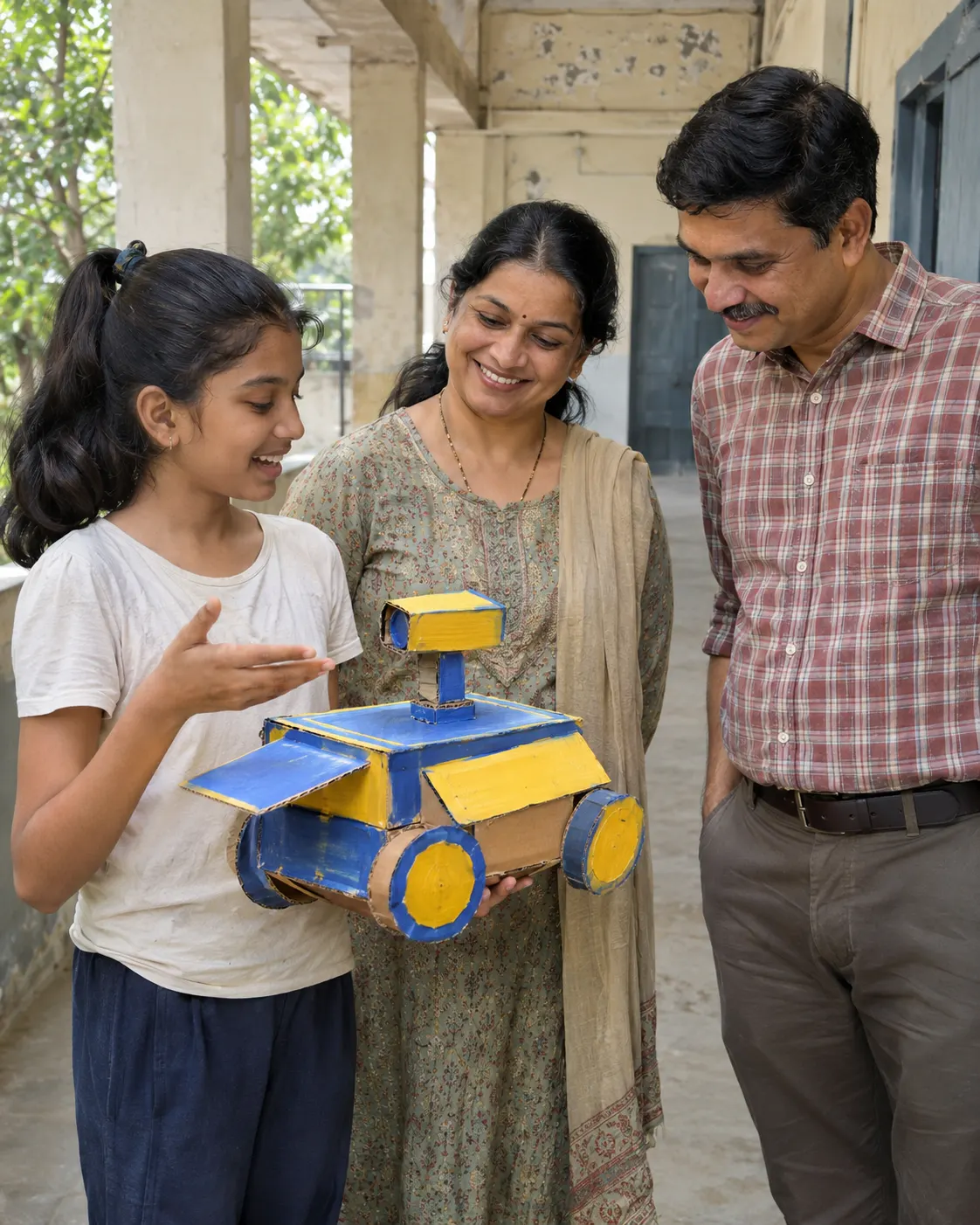
Print a list of your own school's kits and prices. We sell some too, and we will not guess a school budget here. Count what can be reused: boards, motors, wires and sensors. Count what wears out: batteries, jumper wires and tape.
Batteries are an adult job. Use the kit's own charger, never leave charging unattended, and store cells apart from everything else.
Include the quiet ones
Invite students personally rather than by sign-up alone. Start with a cardboard task where there is no right answer. Put girls in speaking roles at the first show. Keep competitions optional. See competitions in Pune when they ask.
Local examples
Two schemes worth learning from: the PCMC Science Park opened a robotics lab for civic students in August 2025, with teacher training. In 2025, 11 students from six ZP and PMC schools were selected for Robotics International 2025 in Estonia after nearly a year of building. Ask how they began before copying the finish.
Frequently asked questions
Do we need an Atal Tinkering Lab?
No. See our ATL equipment guide if you already have or want one.
Do we need a coding teacher?
Code Club says you need no coding experience to run one. You can register a club and follow its free projects.
Can parents help?
Follow your school's verification process first.
How many students per kit?
Three is comfortable. Four is workable with rotating roles.
What about competitions?
They are optional, and many charge fees. Build confidence first.
Thinking Robot Team
Thinking Robot is a team of engineers and educators in Pune who design electronics and robotics kits and run hands-on workshops for students and schools. Spotted a mistake or have a question? Get in touch.