🎨My Child Is Colour Blind: Can They Do Electronics and Robotics?
Colour blindness makes resistor bands and coloured wires harder, and electronics still works. Simple fixes for home, class and exhibitions.

In this article (11)
Yes. Colour blindness makes resistor bands and coloured wires harder to read, but electronics does not depend on colour. Measure resistors with a multimeter, label wires with tape and letters, use numbered diagrams and work in good light. If you suspect it, ask an eye doctor for a simple colour-vision test.
How common is it?
In a study of 74,986 boys aged 11 to 17 in Kanchipuram, Tamil Nadu, 2.76% had colour-vision deficiency, about 1 in 36. In Wardha, Maharashtra, a study of 865 children aged 6 to 15 in six schools found 1.62%. The exact rate varies by group and test. Girls can have it too, less often.
Inherited colour blindness has no cure, and the test is simple. A 2017 article reported that India then had no colour-vision screening policy or guidelines, and that many people go undetected because they adapt.
Signs worth checking
- Mixes up red and green crayons, or sorts by shape instead of colour.
- Cannot find a ripe tomato, or reads a chart by position.
- Finds coloured wires tiring.
- Someone in the family has it, on either side.
None of these proves anything. Ask an eye doctor.

Where colour hides in a kit
| Task | Colour-only clue | Better clue |
|---|---|---|
| Choosing a resistor | Coloured bands | Multimeter, or a labelled bag |
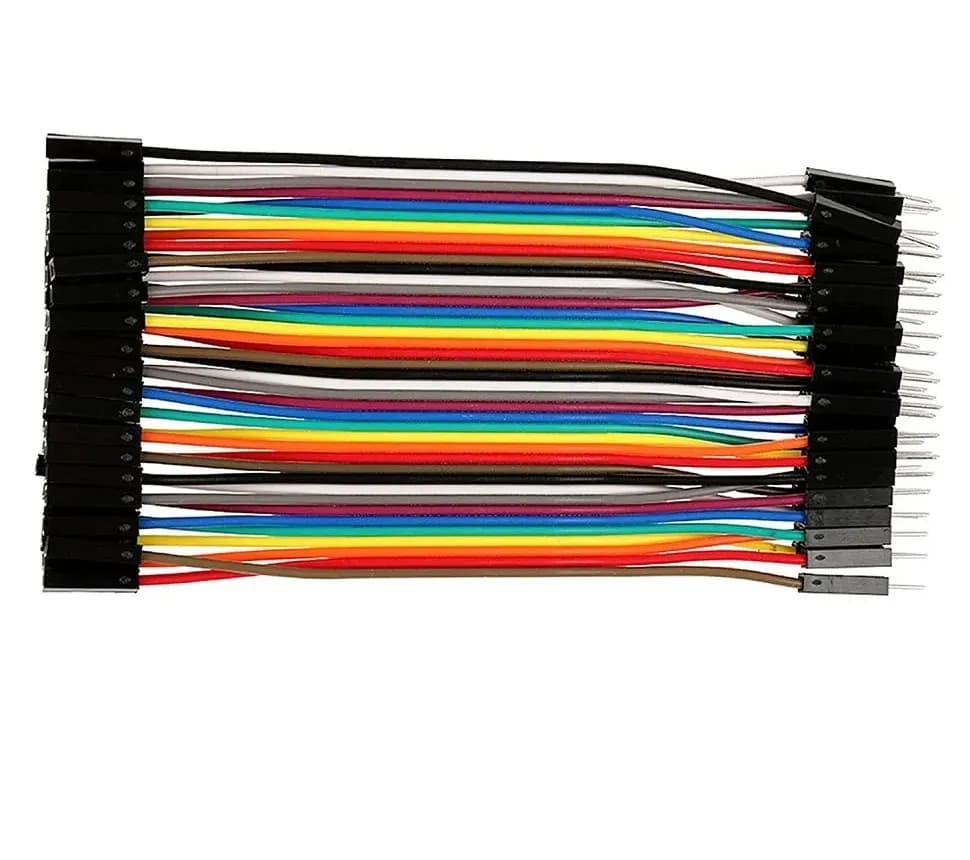
| Following wires | Red and black insulation | Letter flags made from tape |
| Reading a status light | Red or green | Two positions, or steady and blinking |
| Reading a diagram | Coloured lines | Numbers on each line |
| Buying parts | "Find the red one" | Part number and photo |
Six fixes that work
- Measure resistors, one at a time, out of the circuit and with power off. A 1 kilo-ohm resistor marked 5% should read between 950 and 1,050 ohms.
- Read printed codes on small surface-mount parts: 103 is 10 kilo-ohm, 472 is 4.7 kilo-ohm (resistor code guide).
- Keep resistors in labelled bags and never mix them back together.
- Flag wires with tape: A, B, C and so on. Mark battery leads + and −, and have an adult check polarity before connecting power.
- Print diagrams in greyscale and check they still make sense.
- Use daylight or a white lamp. Coloured mood lights make everything harder.
A colour-vision app can name colours from a photo. Check any answer before wiring. Children should never work on mains electricity.

For teachers
Advice from Colour Blind Awareness: name colours in words, add a second cue to every label, test worksheets in greyscale and seat the child near natural light. Ask the child privately what helps. Never ask them to "prove" it in front of others.
At the Tamil Nadu rate, a class with 20 boys would have about a 43% chance of including at least one. The often-quoted "one in every classroom" uses UK rates, so do not assume it applies here.
Can they become an engineer?
Generally, yes. Some jobs and entry tests have colour-vision rules. Check each one, and test early so nobody is surprised at 18.

Frequently asked questions
Do special glasses cure colour blindness?
No. Some may raise contrast between certain colours.
Should a school avoid colour-coded robots?
It should add another cue, such as shape, letter or pattern.
Should my child avoid robotics?
No. Robotics needs thinking, measuring and building.
Where can I get a test?
Ask any eye doctor for a colour-vision test.
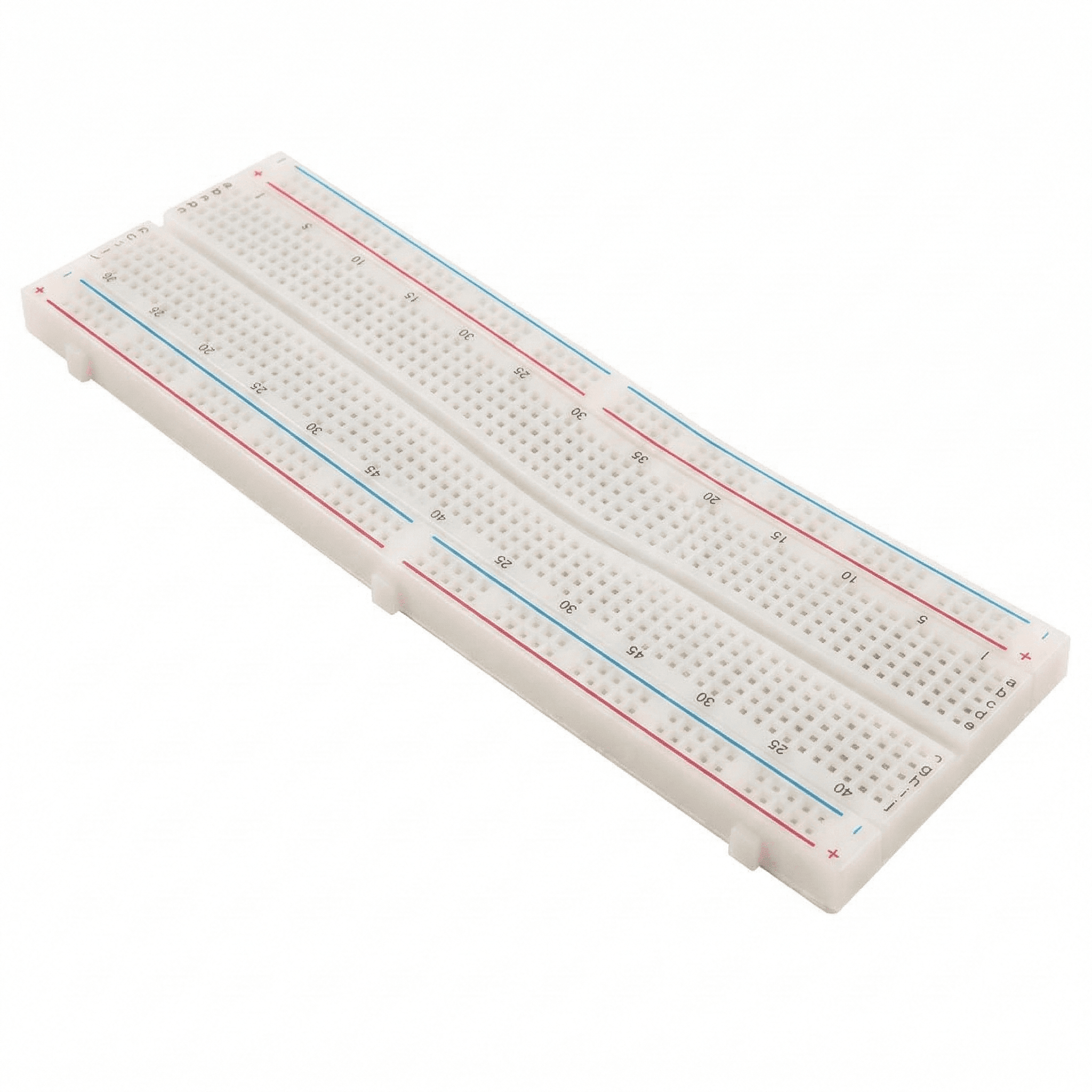
New to building? Start with breadboard basics and electronics experiments, and choose labelled parts.
Thinking Robot Team
Thinking Robot is a team of engineers and educators in Pune who design electronics and robotics kits and run hands-on workshops for students and schools. Spotted a mistake or have a question? Get in touch.